
After spending months or even years with braces, achieving the ideal smile represents a significant milestone. Many individuals seek to enhance their new smile, particularly through the use of whitening treatments. This article will examine the optimal timeframe for utilizing whitening strips following the removal of braces, as well as potential risks, including sensitivity and the impact on enamel. Alternative whitening methods will also be discussed. Furthermore, essential tips for maintaining the outstanding results will be provided. Prepare to fully capitalize on your post-braces smile. Key Takeaways: Braces are a widely utilized orthodontic treatment intended to straighten teeth and enhance oral hygiene; however, they can also produce various effects on the teeth, such as discoloration and the formation of white spots and plaque buildup. The brackets and wires associated with braces can trap food particles and plaque, leading to tartar and staining, making it imperative for patients to adhere to a comprehensive dental care regimen throughout the treatment period. Inadequate oral hygiene practices can worsen teeth discoloration, potentially resulting in staining that necessitates professional whitening treatments, such as Zoom teeth whitening, following the removal of braces. Understanding the impact of braces on dental health is crucial for formulating effective oral care strategies and ensuring an aesthetically pleasing smile post-treatment. In this context, the expertise of dental hygienists is invaluable, as they offer guidance on effective brushing techniques and recommend appropriate dental products to minimize the risk of staining. Regular check-ups facilitate the monitoring of oral hygiene practices and the early identification of any potential issues before they escalate. After the removal of braces, many individuals discover that teeth whitening can significantly enhance their smiles, addressing any discoloration that may have occurred during treatment. Prioritizing oral hygiene not only helps preserve the integrity of braces but also lays the foundation for a confident, radiant smile in the future. Utilizing whitening strips following orthodontic treatment with braces is a widely accepted approach for individuals aiming to enhance the aesthetics of their smile and mitigate any discoloration that may have arisen during the course of treatment, as highlighted by Kingstowne Dental and the American Dental Association. Products such as Crest Whitestrips provide convenient at-home whitening alternatives, facilitating patients’ efforts to attain a brighter smile. However, it is essential to carefully evaluate the timing and overall oral health prior to initiating any whitening regimen. This consideration, emphasized by dental professionals, is vital to ensure effectiveness and to prevent potential damage to tooth enamel or an increase in teeth sensitivity or gingivitis. The recommended timeframe for the use of whitening strips following the removal of braces typically advises waiting at least two weeks. This allows sufficient time for the teeth to stabilize and recover from any potential sensitivity resulting from orthodontic treatment, as suggested by the American Dental Association and Kingstowne Dental Specialists. It is prudent to consult with a dental hygienist or cosmetic dentist for personalized recommendations based on individual oral health and the condition of the enamel, thereby ensuring that teeth whitening efforts are both safe and effective. This waiting period is essential, as teeth may exhibit increased sensitivity and require time to adapt post-bracket removal. The enamel can be temporarily compromised due to the pressure and movement associated with orthodontic treatment, which may affect the efficacy of whitening treatments. Dental professionals are instrumental in assessing enamel health and recommending the most suitable whitening products. Waiting ensures that any sensitivity related to the whitening process itself does not worsen discomfort, enabling individuals to achieve their desired smile without unnecessary pain or risk of enamel damage. When contemplating teeth whitening following orthodontic treatment with braces, it is crucial to recognize the potential risks and considerations involved. These may include an increased likelihood of teeth sensitivity and the possibility of enamel damage. Individuals may experience temporary discomfort during and after the whitening procedures, particularly if they have pre-existing conditions such as gingivitis or enamel erosion. Consequently, it is advisable to thoroughly assess these factors and consult with a cosmetic dentist prior to initiating any whitening regimen. This consultation can help mitigate risks associated with staining and sensitivity. Teeth sensitivity and enamel integrity are significant concerns for individuals undergoing whitening treatments following orthodontic treatment, as these factors can greatly influence both the efficacy and comfort of the whitening process. Many whitening products have the potential to exacerbate sensitivity, particularly if they are utilized improperly or too soon after the removal of braces. Consequently, it is advisable to consult with a dental hygienist regarding appropriate products and timing to safeguard enamel and minimize discomfort during whitening procedures. The timing of the transition to whitening treatments is indeed critical; allowing a period of at least a few weeks after the removal of braces enables the enamel to remineralize and stabilize in its new position. This interval can considerably affect the overall results, underscoring the importance of prioritizing enamel health prior to initiating any whitening regimen. Incorporating fluoride treatments during this period can further fortify the enamel, thereby helping to alleviate potential sensitivity issues. Patients should also contemplate the use of desensitizing toothpaste in the weeks leading up to whitening, as this can be effective in mitigating sensitivity during the actual treatment. Additionally, maintaining good oral hygiene throughout this process is essential in achieving the desired outcomes without incurring unnecessary discomfort. For individuals seeking alternatives to whitening strips following orthodontic treatment, various teeth whitening options are available. These include professional whitening services, at-home whitening kits, and specialized whitening toothpaste. Professional whitening conducted by a cosmetic dentist, such as Dr. Robert Marzban at Kingstowne Dental, can produce immediate and significant results, whereas at-home methods offer convenience and flexibility for patients. Each option varies in terms of effectiveness, cost, and potential effects on enamel and teeth sensitivity. Therefore, it is crucial to understand the advantages and disadvantages of each approach to make an informed decision. When evaluating various teeth whitening methods, it is essential to assess the effectiveness, safety, and convenience of each approach, including professional whitening treatments and at-home whitening kits. Professional whitening typically provides faster results and is conducted under the supervision of a cosmetic dentist, thereby offering a customized experience aimed at optimal dental care. Conversely, at-home whitening kits offer a more flexible alternative, allowing individuals to whiten their teeth at their own pace, although they may not deliver immediate results. Although at-home kits may be more cost-effective, their effectiveness can vary significantly, often necessitating a longer commitment to achieve the desired results. It is crucial for individuals to consider the potential risks associated with overuse or improper application, which could result in tooth sensitivity or uneven whitening. A significant factor in determining the most appropriate method is the recognition of the importance of personalized dental care. Consulting with a dental professional can help identify the most suitable option based on individual needs and conditions, ensuring a balance between achieving desired whitening outcomes and maintaining optimal oral health. Maintaining the results of teeth whitening treatments requires a diligent approach that combines effective oral hygiene practices with the use of specialized products aimed at preventing plaque buildup and staining, such as whitening toothpaste. Regular check-ups with a dental hygienist are crucial for monitoring oral health and ensuring the long-term efficacy of the whitening effects. By adopting a proactive stance towards dental care, individuals can sustain a bright and attractive smile for an extended duration following their whitening treatments. To ensure the long-term maintenance of teeth whitening results, individuals should commit to a comprehensive oral hygiene regimen that includes the use of whitening toothpaste, fluoride, and regular fluoride treatments to mitigate staining and preserve enamel strength. Consistent dental check-ups and cleanings, as recommended by the American Dental Association, are essential for preventing plaque accumulation and addressing potential issues in a timely manner, which ultimately contributes to a lasting bright smile. Along with these foundational practices, it is advisable for individuals to limit their consumption of stain-inducing foods and beverages, such as coffee, tea, and red wine. Selecting a soft-bristle toothbrush and employing gentle brushing techniques can further safeguard enamel while enhancing the efficacy of teeth whitening products, like Crest Whitestrips. Many individuals find that utilizing a straw when consuming acidic or dark-colored beverages reduces contact with teeth, thereby helping to maintain brightness. Furthermore, the regular application of fluoride treatments not only assists in the remineralization of enamel but also plays a vital role in preventing future discoloration, which is especially important for those considering Zoom teeth whitening. Engaging in discussions with dental professionals, such as the experts at Kingstowne Dental Specialists, regarding personalized care plans can significantly enhance the effectiveness and longevity of whitening efforts.How Long After Braces Removal Can You Use Whitening Strips?
Understanding the Effects of Braces on Teeth
Using Whitening Strips After Braces
Recommended Timeframe for Using Whitening Strips
Potential Risks and Considerations
Impact on Teeth Sensitivity and Enamel
Alternative Teeth Whitening Options
Comparing Different Methods
Maintaining Teeth Whitening Results
Tips for Long-Term Maintenance
Frequently Asked Questions
How long after getting braces off can you use whitening strips?
You can typically start using whitening strips immediately after getting your braces off. However, it’s best to wait until your teeth have fully adjusted to their new positions, which can take about 2-3 weeks.
Can I use whitening strips if I have permanent retainers?
Yes, you can still use whitening strips even if you have permanent retainers. However, it’s important to be careful and make sure the strips do not come in contact with the retainer to avoid any damage.
Do whitening strips work on teeth that were previously covered by braces?
Yes, whitening strips are effective on teeth that were previously covered by braces. However, keep in mind that the areas where the brackets were attached may be slightly discolored and may require additional whitening treatments.
How often can I use Crest Whitestrips after getting my braces off?
You can use whitening strips as often as the packaging recommends, usually every 6 months. However, it’s important to consult with your orthodontist to ensure it won’t interfere with any follow-up treatment or cause any damage to your teeth.
Can I use whitening strips if I have sensitive teeth?
If you have sensitive teeth, it’s best to consult with your orthodontist, like Dr. Robert Marzban, before using whitening strips. They may recommend using a desensitizing toothpaste or a lower concentration of whitening gel to avoid any discomfort.
Are there any alternatives to Crest Whitestrips after getting braces off?
Yes, there are alternative teeth whitening methods such as professional in-office treatments or at-home whitening kits provided by your orthodontist. These options, including those offered by practices like Kingstowne Dental, may be more effective or tailored to your specific needs and may be a better choice for those with sensitive teeth.
The Importance of Regular Teeth Cleaning Every 6 Months
Maintaining optimal oral health is essential for overall well-being, and regular teeth cleaning, along with thorough dental checkups, is a significant component of this process.
Most dental professionals recommend a cleaning schedule every six months; understanding the importance of this frequency, as well as the health benefits associated with it, is crucial.
This article examines the potential risks associated with neglecting regular dental visits and dental checkups, including their impact on both oral and general health, such as oral health risks like cavities and gum disease.
Additionally, it discusses the multiple benefits of routine cleanings and preventive measures, provides a comprehensive step-by-step guide for effective dental care, and evaluates alternative cleaning intervals.
Ensuring a healthy smile is paramount—continue reading to learn how to maintain its brightness with regular teeth maintenance and professional cleaning.
Key Takeaways:
The Importance of Regular Teeth Cleaning
Regular teeth cleaning is a critical component of maintaining oral health, playing a significant role in the prevention of dental issues such as cavities, gum disease, and periodontal disease, as emphasized by the Canadian Dental Association.
The American Dental Association recommends routine visits every six months to ensure that individuals receive professional cleaning and comprehensive dental examinations, including oral cancer screening and fluoride treatment. These routine checkups not only facilitate the removal of plaque but also provide opportunities for personalized dental care and patient education regarding effective oral hygiene practices, including the benefits of community water fluoridation.
Additionally, regular dental checkups can aid in identifying potential health risks associated with poor oral health, such as the smoking effects on dental health, thereby contributing to enhanced overall well-being.
Why 6 Months is Recommended
Dentists recommend that individuals schedule a dental checkup every six months to maintain optimal oral health and to facilitate the early detection of potential dental issues, including oral cancer and natural tooth decay.
This regular frequency allows dental professionals to conduct comprehensive examinations and prophy that can identify problems such as cavities, gum disease, and early indications of oral cancer before they develop into more serious conditions.
Consistent visits not only promote good hygiene practices but also reinforce the significance of preventive care, which is essential for sustaining a healthy mouth and preventing oral health risks. By adhering to the guideline of biannual checkups, individuals can align with the expert recommendations of dental care providers, thereby ensuring they remain proactive about their oral health and minimize the likelihood of requiring more complex procedures like teeth extractions in the future.
Potential Risks of Not Cleaning Teeth Every 6 Months
Failing to maintain biannual dental cleanings can result in numerous dental complications, potentially undermining both oral health and overall well-being, with significant health risks.
Effects on Oral Health
Failing to maintain a regular teeth cleaning schedule can have detrimental effects on oral health, significantly increasing the risks of gum disease, cavities, and other dental issues, as highlighted by dental findings.
As plaque accumulates on the teeth, it creates a conducive environment for the proliferation of harmful oral bacteria, which can lead to periodontal disease. These bacteria produce acids that can erode tooth enamel, leading to cavities, and can also induce inflammation in the gums, serving as a precursor to gum disease and gingivitis.
If plaque is not effectively removed through proper brushing and flossing, it can harden into tartar, making it increasingly difficult to uphold oral hygiene, as indicated by the Cochrane Review.
Thus, it is essential to emphasize the importance of routine plaque removal for the preservation of not only an appealing smile but also long-term dental health and to avoid potentially costly dental treatments.
Regular visits to the dentist and dental hygienist can further enhance this effort, ensuring that any buildup is addressed effectively through professional cleaning.
Impact on Overall Health
The repercussions of inadequate oral health extend beyond the oral cavity, with a growing body of evidence establishing a connection between dental issues, such as periodontal disease, and systemic health risks, including diabetes and Alzheimer’s disease, highlighted by a 2013 study.
Recent dental research indicates that individuals suffering from gum disease are more likely to exhibit increased levels of inflammation throughout the body, which can exacerbate conditions such as heart disease and respiratory problems. Furthermore, studies have demonstrated that oral bacteria can enter the bloodstream, resulting in complications affecting organs distant from the jaw, impacting national security and health.
For example, additional research has highlighted a significant correlation between oral health and diabetes management, suggesting that effective control of gum disease can lead to improved blood sugar levels.
These findings underscore the importance of maintaining proper dental hygiene, not only for the sake of aesthetics but also as a critical component of overall health and the prevention of chronic illnesses, as endorsed by the Canadian Dental Association.
Benefits of Regular Teeth Cleaning
Regular teeth cleaning provides numerous benefits that substantially improve oral health and overall well-being, establishing it as a crucial aspect of effective dental care with significant oral health benefits.
Preventing Tooth Decay and Gum Disease
Regular teeth cleaning is essential for the prevention of tooth decay and gum disease, as it effectively removes plaque and tartar buildup that may contribute to these dental conditions, according to a 2019 survey.
By establishing a consistent routine of brushing and flossing, individuals can significantly diminish the risk of harmful bacterial growth in the mouth, which is a primary factor in the development of cavities and periodontal issues, thus supporting community water supplies safety.
Professional cleanings conducted by dental hygienists provide an additional layer of protection, ensuring that even the most tenacious deposits are thoroughly eliminated, as recommended by health professionals.
Incorporating fluoride treatments during these visits further enhances this preventive approach by strengthening tooth enamel, making it more resilient to acid attacks, thus supporting dental insurance benefits.
As a result, individuals can achieve improved oral health and reduce the likelihood of dental emergencies in the future. For more information on the frequency of dental visits, you can read about whether teeth cleaning is necessary every 6 months.
Improving Oral Hygiene and Freshness
One of the immediate benefits of regular teeth cleaning is the enhancement of oral hygiene and freshness, which contributes to a more confident smile and aligns with health recommendations.
When individuals prioritize routine visits for professional cleaning, they not only address visible plaque accumulation but also target hidden areas that may be overlooked during daily brushing and flossing, with the use of products like Pepsodent. This proactive approach to dental care significantly improves their ability to maintain optimal oral hygiene at home and reduces oral health risks.
By ensuring the thorough removal of plaque and tartar, these appointments result in a revitalized oral sensation, thereby encouraging the adoption of good practices such as regular brushing and interdental cleaning.
Ultimately, the result is not merely a healthier smile; it also leads to an increase in self-esteem, as well-maintained dental health plays a crucial role in fostering a positive self-image and overall well-being, while preventing dental problems.
How to Properly Clean Teeth Every 6 Months
To ensure optimal oral health, it is imperative to perform thorough dental cleaning every six months as part of a comprehensive dental care regimen, which should include professional cleaning, dental examinations, and oral cancer screenings.
Step-by-Step Guide
A comprehensive guide to dental hygiene encompasses essential practices that should be followed during dental visits and at home to ensure optimal oral health. This guide aims to equip individuals with the knowledge necessary to effectively maintain their dental health.
Preparation for a preventive dental appointment involves gathering pertinent information, such as medical history, and addressing any specific concerns related to dental care. During the professional cleaning, patients can anticipate a thorough examination of their teeth and gums, followed by specialized cleaning techniques designed to eliminate plaque and tartar buildup.
Following the dental visit, it is imperative to adhere to best practices for oral hygiene at home, which include community water fluoridation and regular brushing.
- Brushing twice daily
- Flossing regularly
- Utilizing mouthwash to combat bacteria and promote fresh breath
Consistency in these routines is essential for maintaining long-term oral health.
Alternative Frequency for Teeth Cleaning
While the standard recommendation for teeth cleaning is every six months, certain individuals may benefit from alternative frequencies tailored to their specific oral health needs, as indicated by dental research and findings.
Other Recommended Intervals
Recommended intervals for dental cleanings can vary significantly, with some individuals requiring visits every three to four months based on their overall oral health, associated risk factors, and smoking effects.
For example, individuals with a history of gum disease or cavities may benefit from more frequent professional cleanings, as plaque accumulation can occur at a faster rate in these scenarios, especially in countries like the UK and Canada. Furthermore, individuals with braces or other dental appliances often encounter unique challenges in maintaining oral hygiene, which underscores the necessity for regular dental visits.
During these appointments, fluoride treatments may also be recommended, offering an additional layer of protection against decay and supporting children’s dental health.
Ultimately, a personalized approach to dental care is paramount for achieving optimal oral health. Whether it’s adult dental care or focusing on children’s dental health, consulting with a dental professional can assist in developing a tailored cleaning schedule that addresses specific needs and concerns.
Frequently Asked Questions
The American Dental Association and the Canadian Dental Association recommend regular dental visits and maintaining good oral hygiene.
Is teeth cleaning necessary every 6 months?
Regular check-ups are a part of a healthy routine encouraged by dental associations globally.
Yes, it is recommended to get your teeth cleaned by a dental professional every 6 months. This helps remove plaque and tartar buildup, preventing tooth decay and gum disease.
What happens during a teeth cleaning appointment?
A dental hygienist will use special tools to remove plaque and tartar from your teeth and along the gum line. They will also polish your teeth to remove any surface stains. Your dentist may also conduct an examination and prophy, a common procedure during a dentist visit.
A dental hygienist will use special tools to remove plaque and tartar from your teeth and along the gum line. They will also polish your teeth to remove any surface stains. Your dentist may also conduct a thorough examination of your teeth and gums.
What are the benefits of getting teeth cleaned every 6 months?
Regular teeth cleaning appointments can help prevent cavities, gum disease, and bad breath. It can also improve the appearance of your teeth by removing surface stains and keeping your smile looking bright. Additionally, teeth whitening can be discussed during these appointments.
Regular teeth cleaning appointments can help prevent cavities, gum disease, and bad breath. It can also improve the appearance of your teeth by removing surface stains and keeping your smile looking bright.
Can’t I just brush and floss regularly instead of getting my teeth cleaned?
While brushing and flossing are important for maintaining good oral hygiene, they cannot remove all plaque and tartar buildup. Regular teeth cleaning appointments are necessary to thoroughly clean your teeth and prevent dental issues.
What happens if I don’t get my teeth cleaned every 6 months?
If you skip or delay your teeth cleaning appointments, plaque and tartar can build up on your teeth and along the gum line. This can lead to tooth decay, gum disease, and other oral health problems. In severe cases, it may even result in teeth removal.
If you skip or delay your teeth cleaning appointments, plaque and tartar can build up on your teeth and along the gum line. This can lead to tooth decay, gum disease, and other oral health problems.
Do I still need to get my teeth cleaned every 6 months if I have good oral hygiene?
Yes, even if you have good oral hygiene habits, it is still important to get your teeth cleaned every 6 months by a dental professional. They can remove any hard-to-reach plaque and tartar and identify any potential dental issues before they become more serious. Regular visits contribute to an overall healthy lifestyle, which some studies, like those mentioned in the Cochrane Review, suggest could even help with conditions like Alzheimer’s.
Why Do My Teeth Feel Rough After Cleaning? Tips for Smoother Results
Experiencing the discomfort of rough teeth following a dental cleaning or scale and clean is a common concern among individuals, and understanding the underlying causes can help alleviate any worries related to tooth sensitivity.
Factors such as plaque and tartar buildup, gum inflammation, as well as improper cleaning techniques, may contribute to this sensation of roughness.
This article will examine these potential causes, present solutions to address rough teeth, and offer recommendations for maintaining a smooth oral environment, including the significance of fluoride application and professional cleaning.
Additionally, it will highlight the significance of enhancing your oral hygiene routine, such as using a mouth rinse, and the importance of regular dental check-ups to ensure your smile remains in optimal condition while preventing conditions like gum disease and enamel erosion.
Key Takeaways:
Possible Causes for Rough Teeth After Cleaning
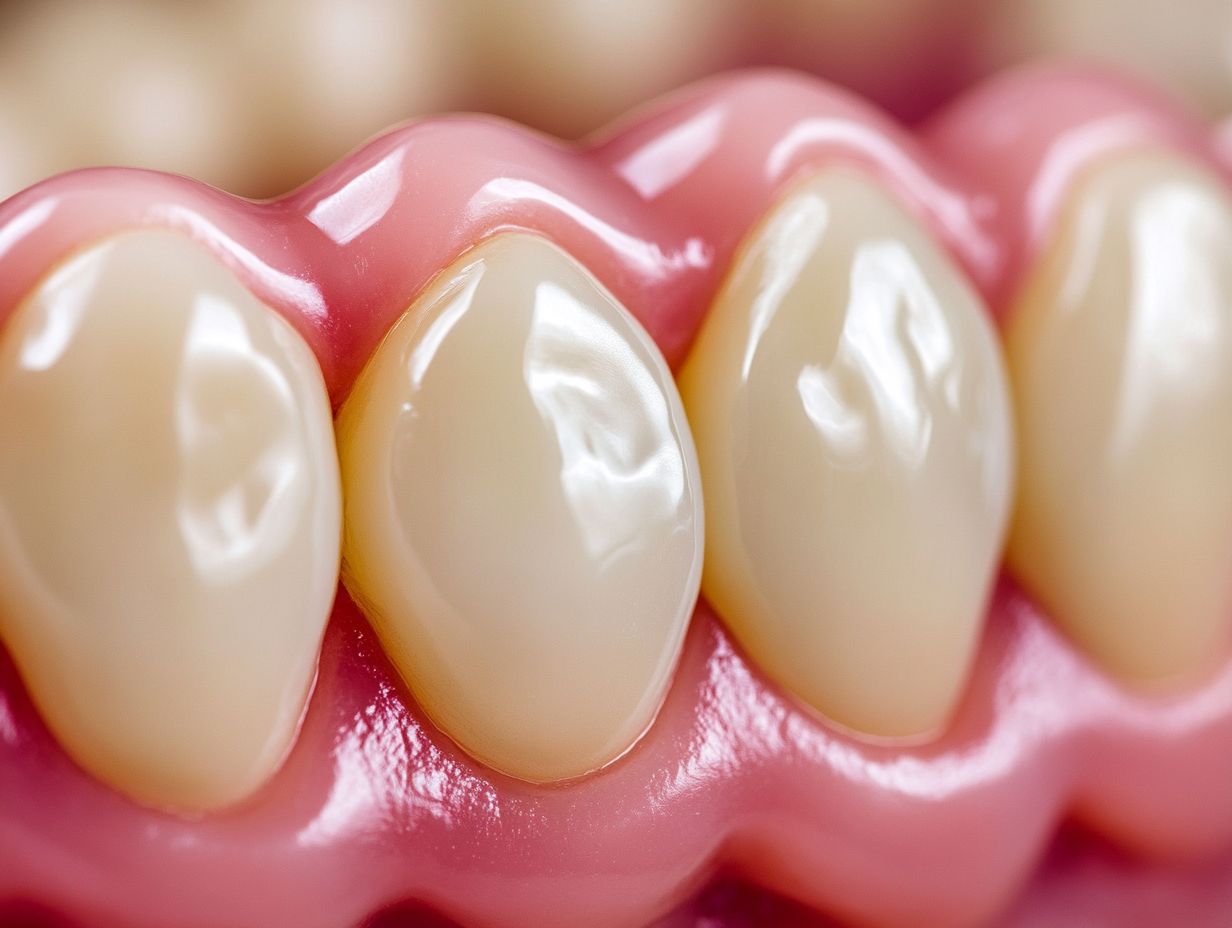
Experiencing roughness in the teeth following a dental cleaning can be concerning and is often attributable to several underlying factors, including inadequate tartar removal and the presence of bacterial film.
A primary contributor to this issue is the accumulation of plaque and tartar, which can be persistent and may not be completely eliminated in a single dental cleaning session.
Furthermore, improper cleaning techniques utilized by dental hygienists during the oral examination may result in discomfort and a rough sensation in the mouth.
Recognizing these potential causes is essential for addressing concerns related to dental hygiene, gum disease, such as gingivitis and periodontitis, and overall oral health.
Buildup of Plaque and Tartar
The accumulation of plaque and tartar is one of the primary causes of rough teeth, as these substances can create an uneven surface and contribute to gum inflammation, potentially leading to dental conditions like periodontitis.
Plaque begins as a soft, sticky film of bacteria that forms on the teeth after meals, and if not removed, it hardens into tartar or calculus. If not diligently removed through regular brushing, mouthwash, and professional dental cleanings, this layer hardens into tartar and becomes a breeding ground for additional bacteria. These bacteria can irritate the gums, resulting in inflammation and more severe conditions such as gum disease, gingivitis, and eventually periodontitis. Over time, neglecting oral hygiene allows plaque to proliferate, thereby increasing the risk of cavities, gingivitis, and other periodontal issues.
Maintaining proper dental hygiene practices, including the use of fluoride and calcium-rich foods, is essential for preventing plaque buildup, which ultimately protects both the teeth and gums from long-term damage.
Improper Cleaning Technique
Improper cleaning techniques employed by dental hygienists can lead to a range of complications, including roughened tooth surfaces, heightened sensitivity, and dental trauma following a professional cleaning session.
These negative effects often arise from inadequate scaling and root planing practices, which, if not executed with precision, may inadvertently compromise the integrity of the enamel. The primary objective of scaling is to effectively eliminate plaque and tartar buildup while preserving the natural surface of the teeth and preventing gum disease.
When scaling instruments are utilized too aggressively or without the appropriate technique, they can roughen the tooth texture and irritate the gums, resulting in discomfort.
To achieve optimal outcomes, dental professionals must adhere to established protocols and continually update their skills, employing gentle yet effective techniques, especially during deep cleaning procedures. By prioritizing patient comfort and maintaining high standards of dental hygiene, the risks associated with these procedures can be significantly reduced, thereby promoting overall oral health.
Addressing Rough Teeth After Cleaning
Addressing the issue of rough teeth following a dental cleaning requires proactive measures, beginning with a consultation with a dentist for tailored advice and treatment options, including the possibility of fluoride application.
Upon noticing roughness after a dental cleaning, it is crucial to seek guidance from a qualified dentist who can conduct a comprehensive oral examination to identify any underlying conditions, such as enamel erosion, bruxism, or gum disease.
Additionally, enhancing oral hygiene practices at home is essential to minimize plaque buildup and maintain gum health between routine dental checkups, especially during times like the COVID-19 pandemic when access to dental services may be limited.
Consulting with a Dentist
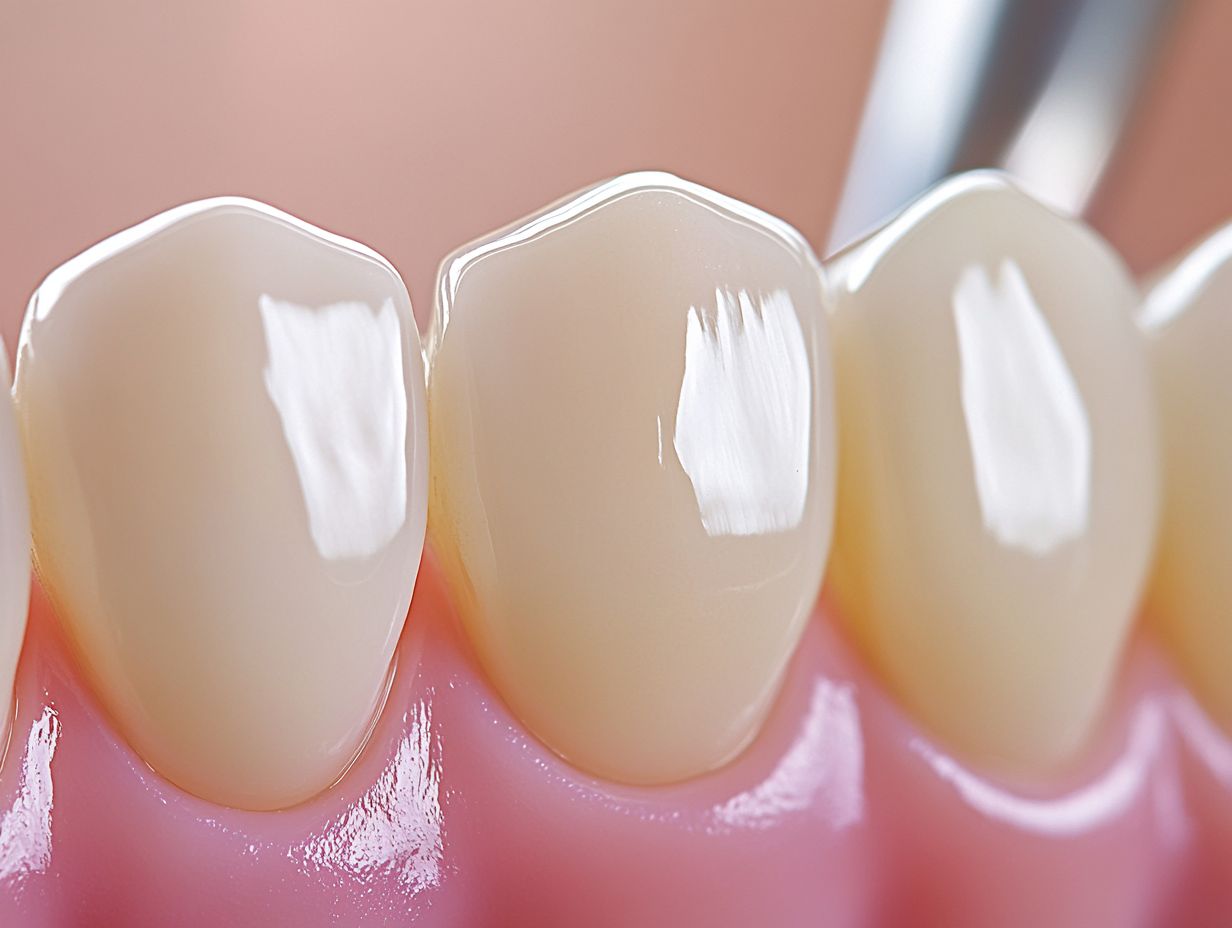
Consulting with a dentist is essential if one experiences roughness of the teeth following a cleaning, as a dentist can perform a thorough oral examination and evaluate any indications of gum disease or other dental conditions.
Regular dental checkups, often conducted in places like Glenmore Park and Edgartown, are a critical component in the maintenance of oral health. During these appointments, dentists conduct comprehensive examinations that encompass checking for cavities, assessing the condition of existing restorations, evaluating the overall health of the gums, and screening for oral cancer.
By identifying potential issues early, such as tooth decay or periodontal disease, dentists can provide timely interventions that prevent more serious complications in the future. Preventative services, such as professional cleanings, are instrumental in removing plaque buildup, thereby ensuring that an individual’s smile remains bright and healthy.
Ultimately, prioritizing these routine appointments enables individuals to take proactive steps toward achieving and maintaining long-lasting oral health.
Improving Oral Hygiene Habits
Improving oral hygiene habits is essential for maintaining smooth teeth and preventing conditions such as tooth decay, gum disease, and dental trauma. This can be achieved through a combination of effective practices.
Regular brushing is fundamental; it should be conducted at least twice a day using fluoride toothpaste, which aids in reinforcing enamel and combating plaque buildup. Incorporating a mouth rinse into the daily routine can provide an additional layer of protection against bacteria, further enhancing breath freshness.
In conjunction with these practices, the use of fluoride treatments can strengthen teeth, making them more resistant to decay and assisting in tartar removal. A diet rich in calcium—found in foods such as dairy products, leafy greens, and almonds—supports healthy tooth structure and plays a vital role in reducing the risk of cavities and enamel erosion.
By integrating these habits into daily life, individuals not only preserve their dental health but also contribute positively to their overall well-being.
Preventing Rough Teeth After Cleaning
Preventing rough teeth following dental cleaning necessitates a proactive approach that emphasizes the maintenance of smooth teeth through effective oral care practices and regular dental cleanings.
One of the most effective methods to achieve this is by scheduling consistent dental checkups, which facilitate the identification and management of issues such as gingivitis, bruxism, and other dental conditions that may contribute to rough teeth.
Furthermore, engaging in practices such as deep cleaning and adhering to proper home care routines can significantly enhance overall dental hygiene and help ensure that teeth remain smooth and healthy.
Tips for Maintaining Smooth Teeth
To maintain optimal dental health and enhance overall hygiene, it is essential for individuals to adopt several key practices, including the regular use of fluoride treatments, mouthwash, and a diet rich in calcium, which can significantly reduce the formation of bacterial film.
Incorporating fluoride treatments into daily routines effectively strengthens tooth enamel, thereby increasing its resistance to decay. The regular use of mouthwash is also vital, as it helps eliminate the bacterial film that accumulates on teeth and gums, subsequently reducing the risk of plaque formation.
Moreover, including calcium-rich foods such as dairy products, leafy greens, and fortified plant-based alternatives plays a significant role in overall dental health, given that calcium is crucial for maintaining strong teeth.
By combining these strategies with routine dental check-ups, individuals can not only achieve smooth teeth but also prevent potential dental issues in the future.
Importance of Regular Dental Cleanings
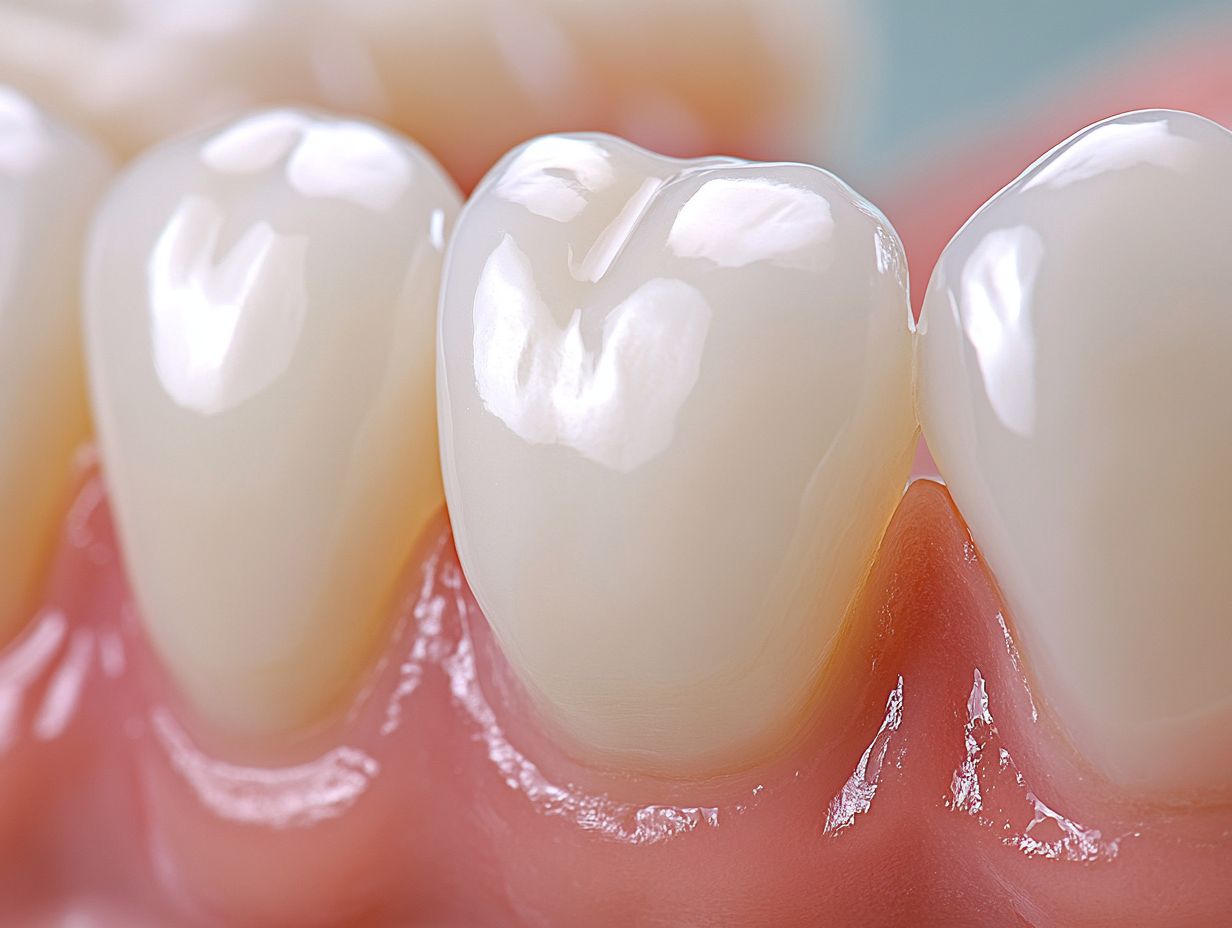
Regular dental cleanings are essential for preventing issues such as plaque buildup, gum disease, and dental trauma, thereby ensuring optimal oral health and the maintenance of smooth teeth.
Typically conducted twice a year, these professional cleanings play a crucial role in removing tartar and bacteria that standard brushing and flossing may overlook. Research indicates that individuals who adhere to a regular cleaning schedule are 50% less likely to experience severe gum disease.
The benefits extend beyond merely achieving a brighter smile; routine dental check-ups facilitate the early detection of potential problems, including oral cancer, ultimately saving considerable time and financial resources on future treatments.
By prioritizing these cleanings, individuals not only enhance their dental aesthetics but also significantly diminish their risk of developing complex health issues associated with poor oral hygiene.
Frequently Asked Questions
Why do my teeth feel rough after cleaning?
Your teeth may feel rough after cleaning due to plaque and tartar buildup, which can cause a rough texture on the surface of your teeth. This can also be caused by improper brushing or using a toothbrush with hard bristles, and may indicate a need for scaling and root planing. This can also be caused by improper brushing or using a toothbrush with hard bristles.
Is it normal for my teeth to feel rough after a cleaning, and what can be done about it?
It is not uncommon for your teeth to feel rough after a professional cleaning, especially if it has been a while since your last scale and clean. This can be due to plaque buildup or tartar removal processes. However, if the roughness persists or is accompanied by other symptoms like tooth sensitivity or gum inflammation, it is best to consult a dentist for a thorough oral examination.
Can flossing make my teeth feel rough?
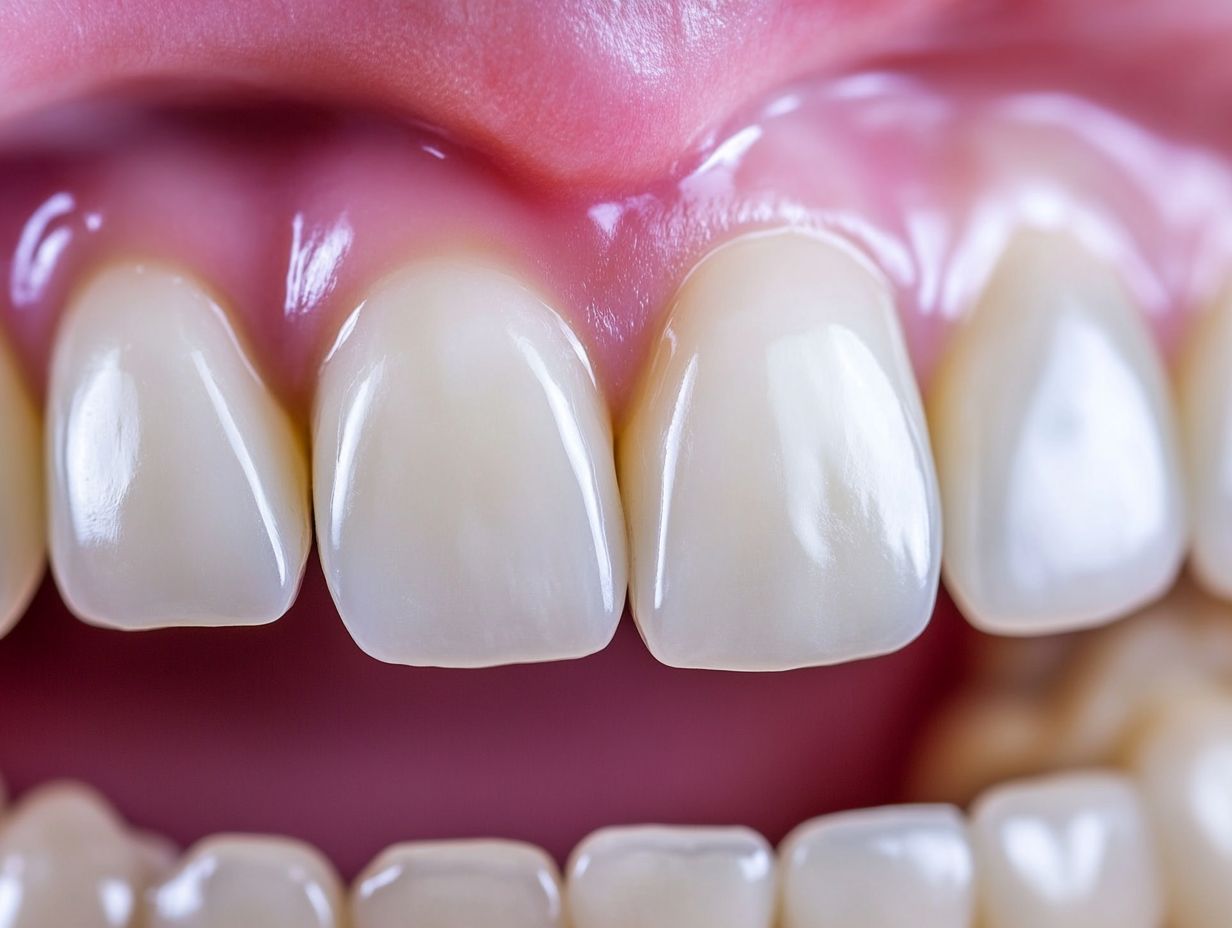
Flossing can help remove bacterial film, plaque, and food particles from between your teeth, but if not done properly, it can cause irritation and roughness on the surface of your teeth. It is important to floss gently and effectively to prevent gum disease and other dental conditions.
What can I do to make my teeth feel smoother after cleaning?
You can try using toothpaste with fluoride application or a gentle polishing agent, or switch to a toothbrush with softer bristles. Additionally, make sure to brush and floss regularly to prevent plaque buildup and tartar, which can contribute to rough-feeling teeth. Incorporating a mouth rinse can also enhance dental hygiene.
Why do my teeth feel rough even after brushing?
If your teeth still feel rough even after brushing, it may be a sign of enamel erosion, tooth decay, or cavities. It is important to visit a dentist or dental hygienist for a thorough examination and proper treatment, which may include scaling and root planing or other dental checkups.
Can professional teeth cleaning cause my teeth to feel rough?
Professional teeth cleaning can sometimes cause temporary roughness on the surface of your teeth, especially if there was a significant amount of plaque, tartar, and calculus buildup. This deep cleaning process might involve treatments like scaling and root planing. However, this should go away within a few days, and your teeth should feel smooth again. It’s essential to maintain good dental hygiene and consider regular dental checkups to prevent future issues like periodontitis or gingivitis.
Find the Best Teeth Cleaning Dentist Near Me for a Brighter Smile
Maintaining optimal oral health extends beyond the routine practices of daily brushing and flossing; regular professional teeth cleaning is imperative.
This article examines the numerous benefits associated with professional cleaning, delineates the recommended frequency of visits based on age, and outlines what individuals can expect during an appointment.
Additionally, it provides guidance on selecting the appropriate dental professional, discusses the factors influencing costs, and offers practical at-home tips to enhance oral hygiene routines.
Understanding the importance of prioritizing dental care is essential for achieving and maintaining a bright, healthy smile.
Key Takeaways:
The Importance of Regular Teeth Cleaning
Regular teeth cleaning is essential for maintaining optimal oral health and preventing gum disease, especially in Albuquerque, where access to quality dental services and dental clinics such as Dental House and Osuna Dental Care are readily available.
Visiting a dental clinic for professional teeth cleaning not only enhances the overall patient experience but also educates individuals on the significance of proper oral hygiene practices. A comprehensive dental cleaning performed by a qualified dental hygienist significantly minimizes the accumulation of plaque and bacteria, which, if left unaddressed, can lead to severe health complications.
Therefore, prioritizing regular dental cleanings is crucial for the long-term health of one’s teeth and gums.
Benefits of Professional Teeth Cleaning
Professional teeth cleaning provides numerous benefits that are essential for maintaining optimal oral health, particularly in the prevention of gum disease and the thorough removal of plaque and bacteria.
This preventative approach not only reduces the risk of developing serious conditions such as gingivitis and periodontitis but also contributes to the maintenance of fresh breath and an attractive smile.
The role of dental hygienists is critical, as they are expertly trained to identify early signs of gum disease while employing specialized instruments to meticulously eliminate tartar buildup that regular brushing often overlooks.
Along with their cleaning duties, dental hygienists serve an educational function, guiding patients on effective brushing techniques, the proper use of floss, and the significance of routine cleanings. This comprehensive approach ultimately give the power tos individuals to take control of their oral health.
When patients are well-informed, they are more likely to adopt healthy dental practices, leading to improved outcomes over time.
How Often Should You Visit the Dentist for Teeth Cleaning?
The frequency of dental cleanings is essential for maintaining optimal oral health and varies according to individual needs, preventive care objectives, and existing oral health conditions.
Typically, patients are recommended to schedule dental cleaning appointments at least twice a year for routine examinations. However, individuals with specific dental requirements may need to visit their dental office more frequently.
Recommended Frequency for Different Age Groups
The recommended frequency for dental cleanings varies by age group, as children, adults, and seniors possess distinct dental needs that influence the timing of their dental examinations and cleanings.
For children, it is generally advised to schedule visits every six months to monitor their dental hygiene and prevent the early onset of gum disease. In contrast, adults and seniors often require customized schedules based on their specific oral health conditions.
As individuals transition into adulthood, their risk factors undergo significant changes due to factors such as diet, tobacco use, and hormonal fluctuations, all of which can impact gum health. Consequently, adults may be encouraged to visit the dentist more frequently, particularly if they present risk factors for periodontal disease or have a history of cavities.
Seniors frequently encounter unique challenges, including dry mouth or tooth loss, which makes regular dental check-ups essential for maintaining oral function and overall health. Additionally, personalized preventive services, such as fluoride treatments and digital X-rays, can be instrumental in addressing age-related oral health issues across these demographic groups.
What to Expect During a Teeth Cleaning Appointment

During a teeth cleaning appointment, patients can anticipate a comprehensive and systematic procedure designed to improve their oral health while prioritizing comfort throughout the dental process.
A qualified dental hygienist will typically perform a dental examination to evaluate the overall condition of the teeth and gums. This will be followed by professional teeth cleaning utilizing advanced techniques, such as ultrasonic scaling and instrumental scaling, to efficiently eliminate plaque and tartar buildup.
The Process and Tools Used
The process of teeth cleaning encompasses several critical steps and tools that collectively contribute to achieving optimal oral health outcomes. This includes ultrasonic scaling, instrumentation, and teeth polishing.
The dental hygienist plays an essential role in executing these procedures, ensuring that each step is performed effectively to remove plaque and tartar buildup while also administering fluoride treatment for added protection.
Ultrasonic scaling employs high-frequency vibrations to dislodge stubborn deposits, making it particularly effective in accessing areas that traditional tools may overlook. Hand instruments, referred to as scalers and curettes, are additionally utilized to manually scrape away any residual plaque. This meticulous cleaning promotes gum health and overall oral hygiene.
Following this, the teeth polishing stage employs a gentle abrasive paste to smooth the surfaces of the teeth, effectively eliminating surface stains while resulting in a polished finish. This comprehensive approach not only enhances the aesthetic appearance of the teeth but also plays a significant role in preventing cavities and gum disease by ensuring thorough maintenance of both teeth and gums.
Each of these methods contributes to long-term oral hygiene, underscoring the importance of regular professional cleanings within one’s dental care regimen.
Choosing a Dentist for Teeth Cleaning
Selecting the appropriate dentist for teeth cleaning is crucial, as it can greatly influence the overall dental experience, patient satisfaction, and the quality of care provided by family dentists like Dr. Rachel Park and Dr. Haight at Parkway Dental.
It is essential to evaluate various factors, including the dentist’s qualifications, the comfort of patients, anesthesia options, and the availability of compassionate dental care.
Identifying a dental practice that emphasizes effective appointment scheduling and patient education is vital for ensuring a positive experience during each visit.
Factors to Consider and Questions to Ask
When selecting a dentist for teeth cleaning, it is essential to evaluate several factors and pose relevant questions to ensure high-quality dental services and patient satisfaction. Key considerations include the dentist’s experience, the range of dental services provided, and the accessibility of appointment scheduling at the dental office.
Understanding the dentist’s approach to patient care and comfort can significantly influence the overall experience. It is advantageous to explore options for flexible scheduling, emergency care availability, and the effectiveness of communication during consultations.
Other aspects, such as the cleanliness of the facility and the professionalism of the staff, should also be taken into account.
To better assess the suitability of a dental practice, patients may inquire about the dentist’s credentials, their engagement in continuing education, and request a tour of the office.
Reading online patient reviews can also offer valuable insights into the anticipated experience during visits.
Cost of Teeth Cleaning

Understanding the cost of teeth cleaning is crucial for effective dental care planning, as it can fluctuate based on various factors, including the dental clinic, the complexity of the cleaning procedure, and insurance coverage.
Patients should carefully consider which dental services are encompassed in the cleaning and how their insurance may influence out-of-pocket expenses. This awareness will facilitate transparent appointment booking for their dental visits.
Factors Affecting Cost and Insurance Coverage
The cost of dental cleaning can be influenced by several factors, including the range of dental services offered, the pricing structure of the specific dental clinic, and the type of insurance coverage held by the patient. Numerous dental clinics provide membership plans that can reduce costs and offer additional preventative care services, making it imperative for patients to explore their available options.
A thorough understanding of insurance coverage is essential, as different plans may cover varying percentages of dental cleaning services, significantly affecting out-of-pocket expenses. Additionally, geographical location is a contributing factor; prices often differ considerably between urban and rural practices.
Patients should also take into account the experience level of the dental hygienist, such as Dr. Rachel Park or Nicole, as more established practitioners may command higher fees. This is an important consideration when choosing a dental practice for your dental cleaning needs.
The recommended frequency of cleanings can also impact overall costs; for example, individuals at higher risk for dental issues such as gum disease may require more frequent visits, including deep cleaning sessions. Consequently, being well-informed about one’s insurance specifics and the potential advantages of dental membership options can greatly facilitate knowledge-based decision making regarding financial planning for dental care. Regular visits to family dentists at a dental clinic like Parkway Dental can ensure optimal oral health.
At-Home Teeth Cleaning Tips by Dr. Haight
At-home teeth cleaning is an essential aspect of maintaining oral health between professional dental visits at Osuna Dental Care. Several effective strategies, such as using fluoride treatments and proper brushing techniques, can be employed by individuals to enhance their dental hygiene practices.
Through comprehensive patient education, individuals can be guided to adopt daily habits that facilitate effective plaque removal and contribute to overall dental health. Digital X-rays and preventative services offered during regular dental exams can further aid in maintaining dental hygiene.
Supplementing Professional Cleaning with Daily Habits
Supplementing professional teeth cleaning with effective at-home practices is essential for maintaining long-term dental hygiene and preventing plaque accumulation. Professional cleanings, including dental scaling and root planing, help remove plaque and bacteria, enhancing the efficacy of at-home care.
Daily habits, such as brushing twice, flossing, and utilizing fluoride treatments, can significantly enhance oral health and reduce the risk of gum disease. Additionally, using Guided Biofilm Therapy can aid in effective plaque removal.
By adopting proper brushing techniques, including the use of gentle circular motions and ensuring comprehensive coverage of all tooth surfaces, individuals can effectively remove food particles and minimize plaque build-up. Flossing daily is equally crucial, as it reaches areas that toothbrushes often overlook, particularly between teeth where decay can easily initiate. Using ultrasonic scaling and instrumental scaling during dental visits can also help in maintaining oral health.
Incorporating fluoride treatments further enhances oral health by strengthening enamel and increasing its resistance to acid attacks. This is a vital part of preventative care recommended by dentists such as Dr. Haight and Dr. Rachel Park.
When these practices are combined with regular dental visits, they constitute a robust strategy for achieving optimal oral health and preventing issues before they arise. Regular check-ups at dental offices like Dental House ensure that health complications can be addressed promptly.
Frequently Asked Questions

1. How often should I visit a teeth cleaning dentist near me for dental scaling and professional cleaning?
It is recommended to visit a teeth cleaning dentist at least twice a year for routine cleanings and dental exams. However, if you have specific oral health concerns such as periodontal disease, your dentist may recommend more frequent visits and possibly deep cleaning sessions.
2. What can I expect during a teeth cleaning appointment with a dentist near me at a dental clinic?
During a teeth cleaning appointment, your dentist will thoroughly clean your teeth, remove plaque and tartar buildup through methods such as dental scaling, and check for any signs of tooth decay or gum disease. They may also take digital X-rays to check for any underlying issues and discuss anesthesia options if necessary.
3. Are there any risks associated with getting my teeth cleaned by a dentist near me?
Teeth cleaning is a very safe procedure with minimal risks. However, if you have sensitive teeth or underlying oral health issues, you may experience some discomfort during the cleaning process. It is important to communicate any concerns with your dentist beforehand.
4. How can I find the best teeth cleaning dentist near me for my dental needs?
You can start by asking for recommendations from family and friends. You can also search for dentists in your area online and read reviews from their previous patients. It is also important to consider their qualifications, experience, and the services they offer. Visiting a reputable dental practice like Dental House can ensure you receive compassionate dental care and high patient satisfaction.
5. What are the benefits of regular teeth cleanings from a dentist near me?
Regular teeth cleanings not only keep your teeth looking and feeling clean, but they also help prevent tooth decay, gum disease, and other oral health issues like gum inflammation. They also give your dentist the opportunity to catch any potential problems early on, enhancing patient care.
6. How can I maintain good oral hygiene between teeth cleanings from a dentist near me?
To maintain good oral hygiene, it is important to brush your teeth twice a day, floss daily, and use mouthwash regularly. It is also important to limit sugary and acidic foods and drinks, and to visit your dentist regularly for cleanings and check-ups. Utilizing preventative services and following guided biofilm therapy can further enhance dental hygiene.
The Truth About Crest Whitening Strips: Do They Damage Enamel?
Enamel, the protective outer layer of teeth, plays a vital role in maintaining dental health and aiding in teeth whitening.
While many individuals pursue brighter smiles through products such as Crest Whitening Strips and Crest Whitestrips, there are increasing concerns regarding their impact on enamel.
This article examines the significance of enamel, evaluates the effectiveness of whitening strips, and addresses potential risks, including enamel damage, sensitivity, and gum irritation. Additionally, it provides recommendations for safeguarding dental health and considering whitening alternatives.
Alternative whitening solutions, such as Zoom Whitening and custom whitening trays, will also be discussed to assist individuals in achieving a radiant smile safely.
Key Takeaways:
Understanding Enamel and its Importance in Dental Health
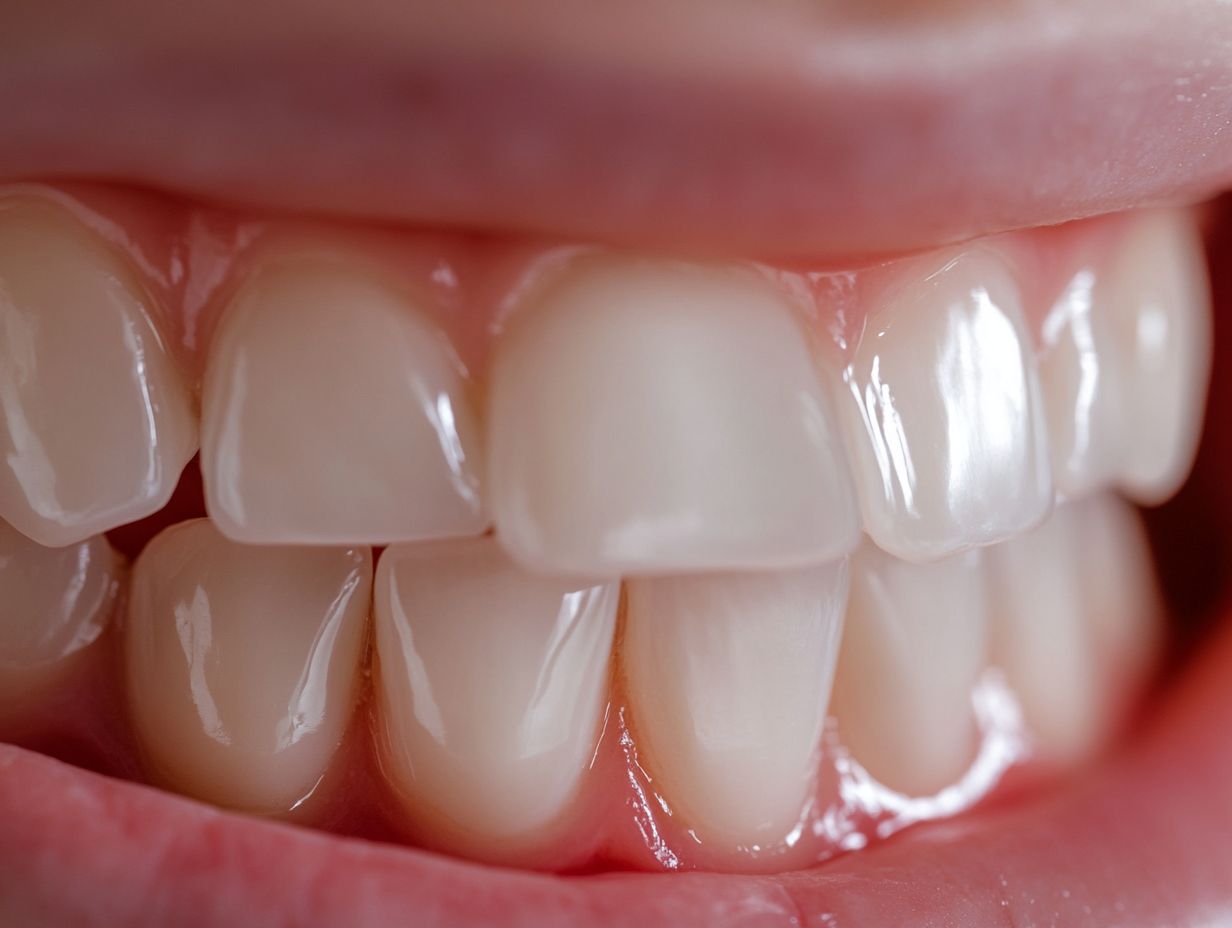
Tooth enamel is a critical component of dental health, serving as the outer protective layer of the teeth and playing an essential role in the maintenance of oral hygiene and cosmetic dentistry.
This hard, mineral-based substance not only protects the teeth from decay and sensitivity but also contributes to the overall appearance of one’s smile.
Recognizing the significance of enamel is imperative, particularly when evaluating teeth whitening methods, including products that may pose a risk of enamel erosion and tooth sensitivity.
Adhering to proper dental care practices, such as regular dental check-ups, is essential for preserving the integrity of tooth enamel and mitigating the risks associated with tooth discoloration.
What is Tooth Enamel?
Tooth enamel is the durable outer layer of teeth that functions as the primary defense against dental decay and external factors that may impact oral hygiene, such as teeth stains.
Composed primarily of hydroxyapatite, a crystalline structure that imparts exceptional hardness, tooth enamel is recognized as the hardest substance in the human body, essential for preventing tooth discoloration. This remarkable durability is essential, as it safeguards the underlying dentin and pulp from corrosive elements and physical damage, thereby contributing to overall dental health.
Maintaining the integrity of enamel is critical not only for aesthetic purposes but also for the prevention of cavities and sensitivity, which can lead to more significant dental complications.
Dental professionals play a vital role in preserving enamel during routine examinations and cleanings, utilizing techniques such as fluoride treatments, sealants, and professional whitening. These methods reinforce this protective layer, ensuring that smiles remain healthy and resilient against decay.
Role of Enamel in Dental Health
The role of enamel in dental health is essential, as it serves to protect the underlying layers of teeth from decay, sensitivity, and other dental risks while contributing to overall oral hygiene.
Enamel functions as a protective barrier, preventing harmful bacteria from infiltrating the softer dentin and pulp located beneath. When this protective layer becomes eroded due to factors such as the consumption of acidic foods, inadequate oral hygiene, or aggressive brushing techniques, individuals may experience heightened sensitivity and an increased risk of cavities.
Maintaining enamel integrity is of paramount importance and can be achieved through regular brushing with fluoride toothpaste, consistent flossing, and routine visits to a dental professional for cleanings, dental work, and evaluations.
By adopting these proactive measures, individuals can effectively safeguard their enamel, diminish tooth sensitivity, and promote long-lasting dental health.
Crest Whitening Strips: What are They?
Crest Whitening Strips and Crest Whitening Emulsions are widely recognized over-the-counter teeth whitening solutions that employ a whitening gel formulated with hydrogen peroxide.
This formulation effectively diminishes teeth stains and improves the overall appearance of one’s smile.
Overview of Crest Whitening Strips
Crest Whitening Strips and Crest 3D White Whitestrips are designed as user-friendly whitening products that deliver effective results through a specially formulated whitening gel containing hydrogen peroxide.
These strips are available in various formulations to address different whitening needs, including Crest 3D White Whitestrips and Crest 3D White Glamorous White, each offering distinct strengths regarding potency and duration of application.
Users are generally advised to apply the strips for 30 minutes daily over a period ranging from 10 to 20 days, depending on the chosen product to achieve effective results. Many users report achieving significant whitening results comparable to professional treatments, but without the associated costs or inconveniences.
In comparison to other whitening kits and products, Crest Whitening Strips often represent a favorable balance between effectiveness and convenience, making them a popular choice among consumers who seek to achieve brighter smiles without the complexities of traditional whitening methods.
Potential Damage to Tooth Enamel
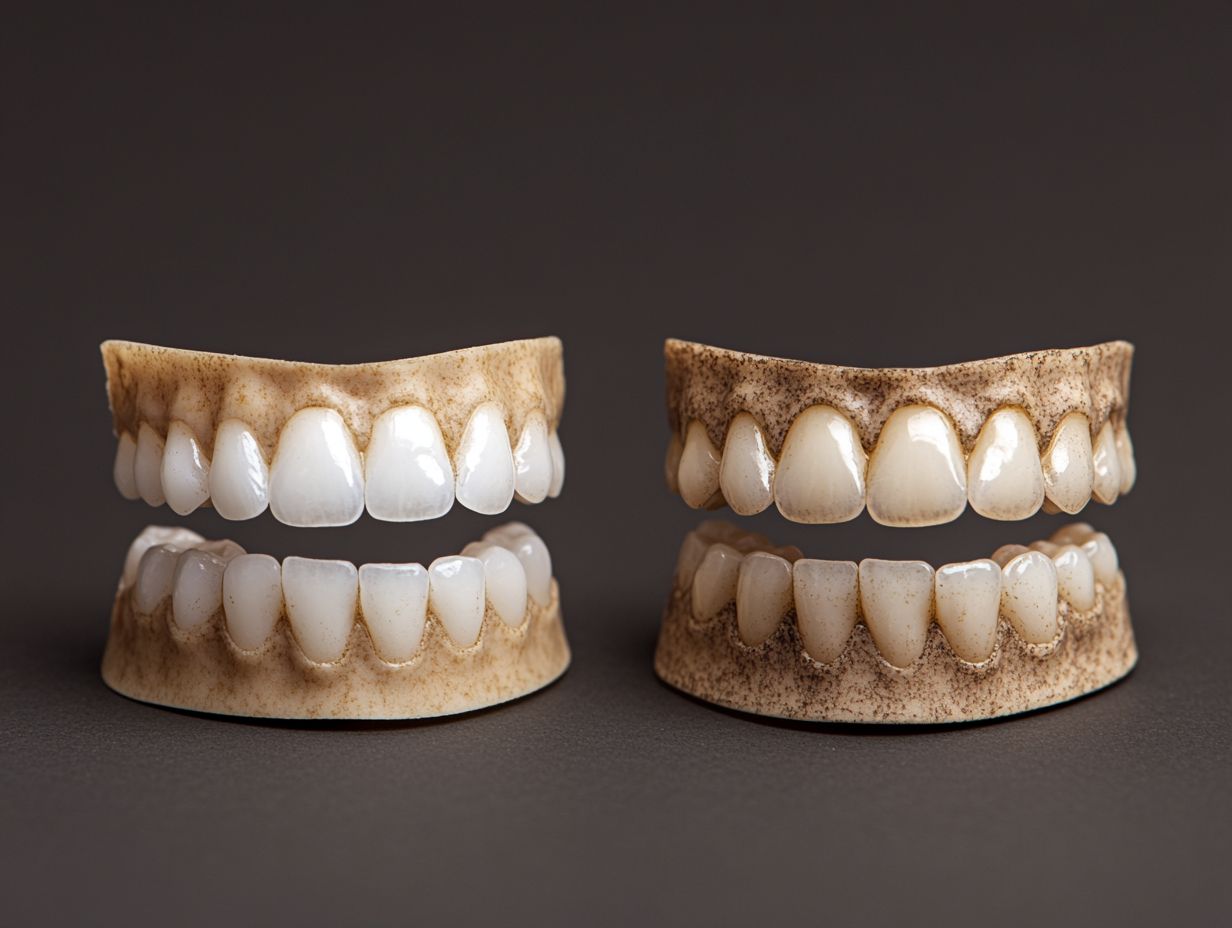
Crest Whitening Strips offer a convenient solution for teeth whitening; however, the potential risk of enamel damage is a significant concern.
This is particularly relevant with the repeated use of products containing hydrogen peroxide, which may lead to enamel erosion, tooth sensitivity, and gum irritation.
Research and Studies on Enamel Damage
Research and studies on enamel damage indicate that products containing hydrogen peroxide, such as whitening strips and other whitening products, may result in varying degrees of enamel erosion if used excessively or improperly.
Understanding these findings is essential for individuals considering these whitening methods as they manage their dental health. Numerous studies have demonstrated that while hydrogen peroxide can effectively lighten teeth and enhance smiles, its usage must be carefully monitored to prevent potential harm.
Enamel, as the protective layer of the teeth, can be adversely affected by prolonged exposure to high concentrations of this chemical, leading to increased sensitivity and other dental complications. Therefore, the implications are clear: responsible use of whitening products is paramount.
Adhering to recommended guidelines and seeking professional advice can help ensure that the pursuit of a brighter smile does not compromise one’s dental health.
Other Risks Associated with Crest Whitening Strips
In addition to enamel erosion, the use of Crest Whitening Strips may present other risks, including tooth sensitivity and gum irritation.
These adverse effects can result from the application of whitening products that contain potent bleaching agents, such as hydrogen peroxide and carbamide peroxide.
Sensitivity and Irritation
Tooth sensitivity and gum irritation are frequently encountered side effects associated with the use of whitening strips. These issues often arise from the active ingredients in whitening gels, which can induce discomfort during the whitening process. This discomfort may present as sharp pain triggered by temperature fluctuations, sweet or acidic foods, or even during routine brushing.
Individuals with pre-existing dental conditions, such as enamel erosion, tooth sensitivity, or gingivitis, may be at heightened risk for these adverse reactions. Prolonged exposure to high concentrations of hydrogen peroxide or carbamide peroxide, commonly found in these products, can exacerbate these concerns and lead to persistent discomfort.
To mitigate these side effects, it is essential to implement several preventative measures:
- Opting for a product with lower concentrations of active ingredients can significantly reduce the risk of irritation.
- It is advisable to adhere strictly to the provided instructions and not exceed the recommended application time.
- Incorporating desensitizing toothpaste and hydroxyapatite toothpaste into one’s dental care routine can assist in strengthening enamel and decreasing sensitivity over time.
- Scheduling a consultation with a dental professional can offer tailored recommendations, ensuring that oral health remains a priority while achieving the desired whitening effects.
By being vigilant regarding product usage and paying attention to one’s oral responses, it is possible to achieve a brighter smile without incurring unnecessary discomfort.
How to Protect Tooth Enamel while Using Whitening Strips
Protecting tooth enamel during the use of whitening strips is essential to achieve effective results while maintaining dental health. For instance, using an electric toothbrush can help reduce aggressive brushing that can harm enamel.
Several strategies can be implemented to minimize the risks associated with whitening treatments.
Preventive Measures and Dental Recommendations
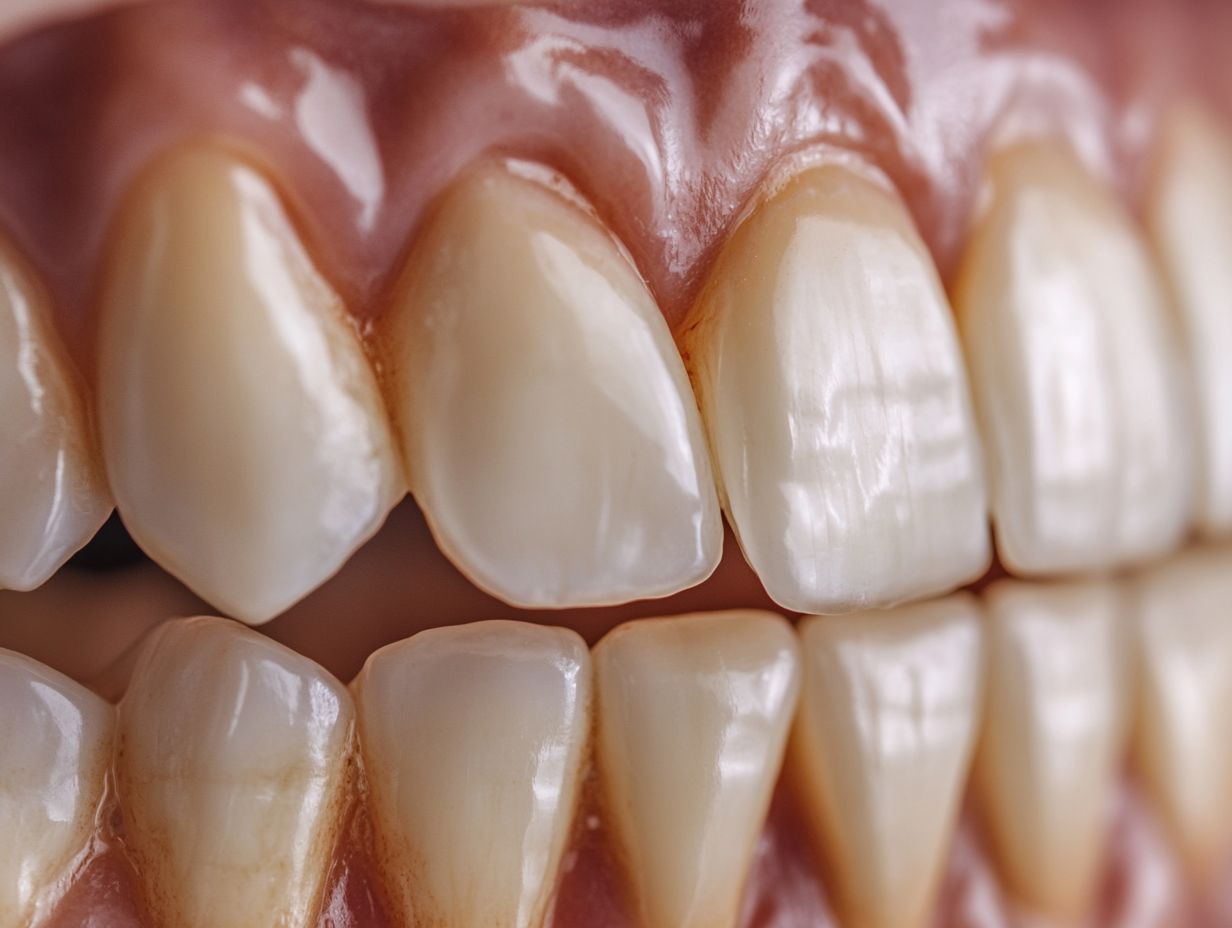
Implementing preventive measures and guidelines is essential for significantly enhancing enamel protection during the use of whitening treatments, thereby ensuring minimal impact on dental health.
To achieve optimal results, it is advisable to limit the frequency of whitening procedures, as overuse may lead to enamel erosion. Additionally, it is crucial to adhere to proper application techniques by avoiding excessive pressure on the teeth and strictly following the recommended timeframes.
Post-treatment care is also vital; rinsing the mouth with water and refraining from consuming acidic or staining foods immediately after treatment can aid in maintaining enamel strength.
Furthermore, incorporating daily oral hygiene practices, such as brushing with fluoride toothpaste, using whitening toothpaste, and utilizing mouthwash, can further reinforce enamel integrity and contribute to overall dental health, facilitating a brighter smile while prioritizing safety.
Alternatives to Crest Whitening Strips and Crest Whitestrips
For individuals concerned about the potential risks associated with Crest Whitening Strips, several whitening alternatives are available.
These options range from professional whitening treatments to natural teeth whitening solutions, all of which can safely enhance one’s smile, including Crest Whitening Emulsions and whitening kits.
Natural and Professional Teeth Whitening Options
Natural and professional teeth whitening options present a variety of methods to achieve a brighter smile while minimizing the risks associated with over-the-counter whitening strips.
Do Crest Whitening Strips Damage Enamel?
|||
Do Crest Whitening Strips Damage Tooth Enamel?
Natural and professional teeth whitening options present a variety of methods to achieve a brighter smile while minimizing the risks associated with over-the-counter teeth whitening strips.
Among these alternatives, natural remedies such as baking soda, activated charcoal, and hydrogen peroxide can be effective for achieving minor whitening effects. In contrast, professional treatments, including in-office bleaching, whitening gels, and custom trays, tend to produce more significant results.
When evaluating these options, it is essential to assess their effectiveness and safety information, as some natural methods may not provide consistent outcomes or could potentially harm tooth enamel.
In comparison, products like Crest Whitening Strips and Crest 3D Whitestrips may yield noticeable results; however, prolonged use may lead to tooth sensitivity or other dental risks.
Consequently, consulting with dental professionals is advisable to ensure that individuals select the most appropriate and safe option for their specific needs, thereby prioritizing overall dental health and oral hygiene.
Frequently Asked Questions
Do Crest Whitening Strips Damage Enamel?
Crest Whitening Strips are designed to be safe and effective for whitening teeth. However, like any teeth whitening product, there is a potential risk of damage to tooth enamel and gum tissue if not used correctly.
How Do Crest Whitening Strips Affect Enamel?
Crest Whitening Strips contain hydrogen peroxide, which is a bleaching agent that can penetrate the enamel and break down teeth stains. When used as directed, the concentration of hydrogen peroxide is safe and will not damage enamel. However, overuse or incorrect usage can result in enamel erosion.
Can Crest Whitening Strips Cause Sensitivity?
Tooth sensitivity is a common side effect of using teeth whitening products, including Crest Whitening Strips. This is due to the peroxide penetrating the enamel and reaching the nerves in the teeth. If you experience sensitivity, it is important to follow the recommended usage guidelines and avoid using the strips too frequently.
Are There Any Precautions I Should Take When Using Crest Whitening Strips?
To prevent potential damage to enamel, it is important to follow the instructions for use carefully. This includes only using the strips for the recommended amount of time and not leaving them on for longer. It is also important to avoid using the strips on damaged or weak enamel and to consult a dentist or dental professionals if you have any concerns.
How Can I Protect My Enamel While Using Crest Whitening Strips?
To minimize the risk of enamel damage, it is important to maintain good oral hygiene and avoid consuming highly acidic foods and drinks while using Crest Whitening Strips. You can also try using a whitening toothpaste designed for sensitive teeth to help protect your enamel.
Is It Safe to Use Crest Whitening Strips If I Have Enamel Erosion?
If you already have enamel erosion or weakened enamel, it is best to consult with a dentist before using any teeth whitening products. They can evaluate your teeth and recommend the best course of action to safely whiten your teeth without further damaging your enamel. Consider options like professional whitening or products containing hydroxyapatite toothpaste for a safer approach.
Can Dental Cleaning Damage Teeth? Experts Weigh In
Dental cleaning is a fundamental aspect of maintaining oral health; however, it is natural for individuals to have concerns regarding its safety.
Professional cleanings are effective in preventing decay and gum disease, yet patients should be aware of the potential risks associated with these procedures. This article will outline what dental cleaning entails, analyze the possible damage it may inflict on teeth and gums, and identify the factors that influence these risks.
Additionally, it will offer strategies for minimizing potential damage and discuss appropriate steps to take should any adverse effects occur. A thorough understanding of these elements will enable individuals to make informed decisions regarding their dental care.
Key Takeaways:
Understanding Dental Cleaning

Understanding the significance of dental cleanings is crucial for maintaining optimal dental health, which directly impacts overall well-being.
Regular professional dental cleanings, generally recommended every six months, effectively remove plaque and tartar buildup that can contribute to gum disease, tooth decay, and cavities if left untreated.
During these appointments at reputable facilities such as MINT dentistry in Dallas or Houston, TX, a dental hygienist employs a variety of specialized tools to ensure comprehensive plaque removal and reinforces healthy tooth enamel through fluoride treatments.
What is Dental Cleaning?
Dental cleaning, commonly referred to as teeth cleaning, is a professional procedure conducted by a dental hygienist aimed at removing plaque and tartar buildup, thereby promoting optimal oral health.
This essential practice encompasses a variety of techniques designed to eliminate stubborn deposits formed by bacteria, which, if left unaddressed, can result in serious dental issues.
During the cleaning process, the hygienist utilizes specialized instruments to meticulously scrape away plaque, followed by polishing the tooth surfaces to achieve a smooth finish that aids in preventing future accumulation.
Professional dental cleaning not only reduces the risk of cavities and gum disease but also contributes to the maintenance of fresh breath and an aesthetically pleasing smile.
Ultimately, dental hygienists play a vital role in this process, as they provide critical education on effective oral hygiene practices, enableing individuals to actively manage their dental health between appointments.
Potential Risks of Dental Cleaning
Dental cleaning is essential for the maintenance of oral health; however, patients should be aware of the potential risks associated with the procedure, particularly if proper care is not exercised.
Inadequate cleaning techniques or failure to address pre-existing conditions may result in gum inflammation, potential damage to tooth enamel, and could exacerbate existing gum disease.
These complications may subsequently lead to issues such as persistent bad breath or the need for more extensive dental treatments.
Possible Damage to Teeth and Gums
Possible damage to teeth and gums during dental cleaning procedures can arise from excessive tartar buildup or improper dental scaling techniques, leading to concerns related to gum disease.
When dental hygienists utilize overly aggressive cleaning methods, there may be unintended consequences for the enamel, resulting in increased sensitivity or, in severe cases, enamel erosion. This erosion can create a pathway for bacteria to penetrate the inner layers of teeth, thereby exacerbating the risk of cavities and potential infections.
Furthermore, vigorous scrubbing near the gums can irritate the delicate gum tissue, potentially leading to inflammation or even recession over time.
Such adverse effects not only undermine the initial positive outcomes of the cleaning but also foster an environment conducive to gum disease. Therefore, it is essential for practitioners to achieve a balance in their cleaning techniques to mitigate these risks.
Factors that Affect the Likelihood of Damage
Numerous factors can influence the potential for complications during dental cleaning, including pre-existing oral health conditions and the efficacy of prior dental treatments.
Conditions such as gum disease or compromised tooth enamel may heighten sensitivity during the cleaning process, making it essential to conduct a comprehensive dental examination prior to treatment in order to evaluate associated risks.
Pre-existing Conditions and Treatment Techniques
Pre-existing conditions, such as gum disease, can significantly influence the techniques employed during dental cleanings, necessitating specialized approaches by dental hygienists to ensure patient safety and comfort.
These conditions may result in increased sensitivity and heightened levels of inflammation, thereby requiring more gentle cleaning methods. For instance, a patient diagnosed with advanced gum disease may be recommended to undergo a deeper cleaning procedure, commonly referred to as scaling and root planing, which specifically targets debris located below the gum line.
The implementation of certain oral care practices, such as the use of antibacterial mouth rinses or softer toothbrushes, can aid in managing symptoms and supporting the healing process. These tailored strategies not only enhance the effectiveness of the cleaning but also promote optimal oral health outcomes for individuals experiencing these conditions.
Tips for Preventing Damage During Dental Cleaning
Damage prevention during dental cleaning can be effectively achieved through clear communication with the dentist and adherence to appropriate oral care routines, including regular brushing and flossing.
Notifying the dental hygienist of any sensitivities or previous dental issues during the appointment can significantly enhance both the cleaning experience and the overall outcome.
Communication with Dentist and Proper Oral Care
Effective communication with one’s dentist and dental hygienist regarding oral care habits and any concerns can significantly enhance the dental cleaning experience.
When individuals provide their dental history, including previous treatments, sensitivities, or ongoing issues, it enables a more customized approach to their care. This transparency allows the dental team to utilize the most suitable techniques and products, thereby minimizing discomfort and maximizing the effectiveness of the cleaning process.
Patients who engage actively in these discussions are more likely to receive personalized recommendations tailored to their specific needs, ultimately leading to improved overall oral health outcomes. Disclosing every relevant detail not only strengthens the trust between the patient and dental professionals but also fosters a safer environment for any procedures performed.
What to Do if You Experience Damage from Dental Cleaning
Should you experience any adverse effects from dental cleaning, it is essential to seek appropriate treatment promptly to address issues such as gum disease or damage to the tooth enamel.
Consulting with your dentist regarding your concerns can facilitate necessary interventions, including the possibility of compensation for any negative consequences resulting from the cleaning procedure.
Steps to Take for Treatment and Compensation
Following any damage sustained from a dental cleaning, the initial step is to schedule a follow-up appointment with your dental hygienist or dentist in order to assess the situation and discuss potential treatment options.
During this appointment, it is imperative to clearly articulate the issues experienced after the cleaning, whether they involve heightened sensitivity, gum irritation, or any other concerns. This information is crucial for the dental professional to effectively address the problem at hand.
As treatment options are presented, it is advisable to inquire about the possibility of compensation for any undue pain or discomfort experienced. Additionally, maintaining detailed documentation of your symptoms, treatment recommendations, and any correspondence regarding compensation is essential.
This comprehensive record will serve as a valuable reference during future appointments and discussions with your dentist regarding the impact of the cleaning on your oral health.
Frequently Asked Questions
Can dental cleaning damage teeth?
No, dental cleaning does not damage teeth. In fact, it is essential for maintaining healthy teeth and gums.
What is dental cleaning?
Dental cleaning is a routine procedure performed by a dentist or hygienist to remove plaque, tartar, and calculus from the teeth and gums.
How often should I get dental cleaning done?
It is recommended to get dental cleaning done every six months to maintain good oral health. However, your dentist may suggest more frequent cleanings if you have certain conditions such as gum disease.
Can dental cleaning cause sensitivity?
Sensitivity after dental cleaning is common, but it is usually temporary and should resolve within a few days. This can sometimes be due to tooth enamel being slightly worn down during the process. If the sensitivity persists, consult your dentist for further evaluation and possibly a fluoride treatment.
Is dental cleaning painful?
Dental cleaning is not painful. Most patients report feeling a slight discomfort or pressure during the cleaning process, especially during plaque removal and tartar buildup removal, but it should not be painful. If you experience pain, inform your dental hygienist immediately.
What are the benefits of dental cleaning?
Dental cleaning has several benefits. It helps prevent cavities, gum disease, gingivitis, and bad breath. It also removes surface stains through professional cleaning and can give you a brighter, healthier smile. Regular dental appointments for cleaning can prevent tooth decay and even periodontitis. Procedures like dental scaling and root planing may be recommended for deeper cleaning, especially if there is significant tartar buildup or gum inflammation.
Can You Safely Use Whitening Strips on Dentures?
Maintaining an attractive smile is a priority for many individuals; however, concerns often arise regarding the use of dentures. This article provides a comprehensive examination of dentures, whitening products, and whitening strips, addressing common inquiries regarding their compatibility and effectiveness.
Readers will gain insights into the potential risks and benefits associated with the application of whitening strips on dentures, as well as alternative methods, such as the use of hydrogen peroxide or baking soda, to achieve an impressive smile. Additionally, essential tips for proper denture care, including the use of denture cleaners and specific cleaning solutions, will be presented, ensuring that they maintain their optimal appearance and function.
Continue reading to explore the most effective solutions for your dental needs.
Key Takeaways:
Understanding Dentures and Whitening Strips
A comprehensive understanding of dentures, whitening strips, and other whitening products is vital for optimal dental care, particularly for individuals aiming to maintain a bright smile and prevent discoloration.
Dentures, whether composed of acrylic or porcelain, function as effective replacements for missing teeth. Similarly, whitening strips, such as Crest Whitestrips, provide a convenient means of removing stains from natural teeth.
Proper usage and a thorough understanding of these products enable individuals to preserve their appearance and confidence, which are essential for both aesthetic and psychological well-being, while ensuring effective maintenance of their dental work.
What are Dentures?
Dentures are removable dental appliances designed to replace missing teeth and can significantly enhance an individual’s ability to eat and speak effectively.
They are available in various types, primarily acrylic and porcelain, each offering distinct advantages and construction techniques, which are often utilized by dental professionals like those at Henson Family Dental or Abington Family Dental Care. Acrylic dentures are lightweight and relatively simple to manufacture, making them a cost-effective option. In contrast, porcelain dentures provide greater durability and a more natural appearance.
Some patients may choose implant-supported dentures, which offer increased stability. Adhering to proper cleaning practices, such as utilizing specialized cleansers and soaking the dentures overnight, is crucial for the maintenance of these dental devices.
Regular maintenance not only extends the lifespan of dentures but also promotes overall dental health, ensuring a comfortable fit and preventing complications such as gum irritation.
What are Whitening Strips?
Whitening strips, such as Crest Whitestrips, are widely recognized over-the-counter products designed to enhance the brightness of teeth through a bleaching process.
These strips typically contain hydrogen peroxide or carbamide peroxide as their primary active ingredients, which penetrate the enamel to break down stains caused by food, beverages, and tobacco use. Users value the convenience and efficacy of these products, as they can visibly improve tooth color within a matter of days.
Although many brands assert that they provide remarkable results, strict adherence to the usage instructions is essential for optimal effectiveness. This usually involves daily application for 30 minutes over a period of one to two weeks.
It is important to note that potential side effects, such as tooth sensitivity or gum irritation, may occur; therefore, individuals should carefully assess their dental health prior to commencing treatment.
Can You Use Whitening Strips on Dentures?
The use of whitening strips on dentures is generally discouraged, as the chemicals contained in these products may harm the materials utilized in dental prosthetics, such as acrylic or porcelain.
This can lead to adverse effects on both the appearance and durability of the dentures.
Potential Risks and Benefits
The potential risks associated with the use of whitening strips on dentures include damage to the denture material and negative effects on overall appearance.
For individuals with removable dentures, the harsh chemicals present in whitening strips may degrade the acrylic or resin components, resulting in scratches, discoloration, or even structural damage over time. This degradation not only compromises the aesthetic appeal of the dentures but can also lead to discomfort during use.
Conversely, individuals with natural teeth may experience improvements in shade and brightness, which can enhance self-confidence, particularly when using well-known products like Crest Whitestrips. However, it is crucial to consider alternative methods for improving the appearance of both natural teeth and dentures.
Options such as soaking dentures in a vinegar-water solution or utilizing professional dental cleanings can effectively preserve their appearance without the risks associated with whitening strips. Clients may also choose specialized denture cleaning solutions, such as those recommended by Northside Dental Clinic, designed to enhance luster while remaining gentle on the material.
Alternatives to Whitening Dentures
When considering options for enhancing the brightness of dentures, there are several alternatives to whitening strips that can effectively improve their appearance without posing a risk of damage to the material.
Other Options for Brightening Dentures
Options for brightening dentures include utilizing specialized denture cleaning solutions as well as natural ingredients that effectively remove stains.
For individuals seeking to maintain the luster of their dentures, a variety of commercial denture cleaners are readily available to accommodate different preferences. These products are commonly found in the form of tablets, liquids, or powders, specifically designed for convenient soaking and straightforward application.
Many users have reported that these specialized cleaners, often enriched with enzymes and effervescing agents, not only effectively lift stubborn stains but also eliminate bacteria, thus ensuring comprehensive hygiene and preventing issues noted by dental professionals. Additionally, at-home remedies such as baking soda, vinegar, or hydrogen peroxide present a natural alternative, providing effective yet gentle cleaning options.
To maintain the optimal appearance of dentures, it is advisable to brush them daily with a soft-bristled toothbrush and to rinse them thoroughly after meals, using natural ingredients like vinegar or lemon as needed. This practice helps to prevent the buildup of deposits that can diminish their shine.
Proper Care for Dentures
Proper care for dentures is essential for maintaining their appearance and extending their lifespan. This involves daily cleaning and regular maintenance routines to prevent stains and discoloration.
Tips for Maintaining Clean and White Dentures
Maintaining clean and well-cared-for dentures necessitates a consistent care routine, complemented by practical strategies that enhance their appearance and longevity.
To begin, it is essential to establish a daily cleaning regimen that includes rinsing the dentures after each meal to effectively remove food particles. A soft-bristle toothbrush specifically designed for dentures, along with a non-abrasive denture cleaner, should be utilized to gently brush the dentures at least once a day.
Additionally, soaking the dentures in a denture solution on a weekly basis can assist in eliminating stubborn stains and bacteria, thereby promoting a fresh feel.
Regular consultations with a dental professional, such as those at Springfield, Missouri or Ocala, Florida clinics, are vital, as these appointments can identify any necessary adjustments or repairs to ensure optimal fit and hygiene. By incorporating these practices, individuals can significantly improve the quality of denture care while also contributing to their overall oral health.
Final Thoughts and Recommendations
Understanding the relationship between dentures and whitening products is crucial for individuals seeking to maintain their dental aesthetics.
It is important to acknowledge that while whitening strips are effective for natural teeth, they may not be appropriate for dental prosthetics such as dentures. Instead, individuals should concentrate on gentle cleaning methods, such as using non-abrasive cleansers and natural ingredients like baking soda, and utilize specific products designed for removable dental appliances.
Regular brushing with non-abrasive cleansers, soaking dentures in specialized solutions, and avoiding harsh chemicals will contribute significantly to the longevity of dental work. Additionally, routine dental check-ups provide personalized recommendations and ensure that any concerns regarding the appearance or functionality of dentures are addressed in a timely manner.
By following these best practices, individuals can maintain a radiant smile that reflects their commitment to proper dental care and ongoing maintenance.
Frequently Asked Questions
Can you use whitening strips on dentures?
No, whitening strips are not recommended for use on dentures. Dentures are made from a different material than natural teeth and can be easily damaged by the chemicals in whitening strips.
Why is it not recommended to use whitening strips on dentures?
Dentures are made from a porous material that can absorb the chemicals in whitening strips, causing them to become brittle and prone to damage, which could also impact other dental work such as fillings or crowns. This can also affect the fit and function of the dentures.
What are some alternative methods for whitening dentures using natural ingredients like hydrogen peroxide or white vinegar?
There are special denture cleaning products that are designed to remove stains and whiten dentures without causing damage. These products can include denture cleaners with natural ingredients like baking soda, hydrogen peroxide, and white vinegar. You can also consult with your dentist or visit Northside Dental Clinic or Henson Family Dental for professional cleaning and whitening options, especially if you have dental implants, crowns, or veneers.
Can using whitening strips on dentures cause any health risks?
Yes, using whitening strips on dentures can cause health risks such as irritation, sensitivity, and damage to the dentures. It is important to follow the recommended methods for cleaning and maintaining dentures, including routine check-ups at clinics like Abington Family Dental Care or Springfield, Missouri, to avoid these risks. Always consult with your dentist for the best care practices.
What should I do if I accidentally use whitening strips on my dentures?
If you accidentally use whitening strips on your dentures, it is important to stop using them immediately and rinse your dentures thoroughly with water. To prevent further issues, you should also consult with your dentist, such as Dr. Narducci in Ocala, Florida, for further instructions on how to properly clean and care for your dentures, especially if they are made of acrylic or porcelain.
Are there any other methods for whitening dentures besides using Crest Whitestrips?
Yes, there are other methods for whitening dentures such as using denture cleaning tablets, soaking dentures in a mixture of water and baking soda, or using a denture cleaning brush with a mild denture cleaner. You can also try soaking them in a solution of water and white vinegar or using natural ingredients like lemon juice and salt to remove stains. It is important to follow the instructions for these methods carefully to avoid damage to the dentures and maintain their appearance. Regular dental check-ups and professional cleanings can also help in keeping your dentures white and in good condition.
Is It Safe to Use Retainer Over Whitening Strips? A Comprehensive Answer
Maintaining an aesthetically pleasing smile often prompts individuals to inquire about the optimal methods for utilizing retainers and teeth whitening strips in conjunction.
Retainers serve the purpose of keeping teeth aligned, while whitening strips, such as Crest 3D White Whitestrips, are designed to provide a noticeable brightness to the smile. However, the integration of these two dental aids is not always a straightforward process, and consulting orthodontist advice is crucial.
This article examines the functions of retainers and whitening strips, the potential risks associated with their simultaneous use, such as teeth sensitivity and uneven whitening, and safer alternatives for achieving an ideal smile without compromising dental health.
Key Takeaways:
Understanding Retainers and Whitening Strips
Understanding the relationship between retainers and whitening strips is essential for maintaining both dental aesthetics and oral health, particularly when considering the impact of whitening agents like hydrogen peroxide. Retainers are dental devices specifically designed to stabilize teeth in their intended positions following orthodontic treatment, while whitening strips are widely used at-home teeth whitening solutions that employ hydrogen peroxide or carbamide peroxide to effectively reduce tooth discoloration and teeth stains.
The interplay between these two products can significantly affect the whitening process, its effectiveness, and overall smile maintenance. Therefore, it is advisable to consult with an orthodontist for professional dental advice when considering the combination of these dental products.
What are Retainers?
Retainers are orthodontic devices specifically designed to maintain the alignment of teeth following the removal of braces or other orthodontic treatments, playing a crucial role in post-treatment teeth alignment. They are crucial for preserving the results achieved by dental professionals.
These devices play a vital role in ensuring that the effort invested in attaining a straighter smile is not compromised, enhancing overall smile maintenance. There are several types of retainers available, including:
- Custom-made options that are tailored to fit the unique shape of individual mouths,
- Removable types that can be taken out for eating or cleaning,
- Permanent retainers that are bonded to the back of the teeth for continuous support.
Each of these retainers serves a distinct purpose in orthodontics, and their effectiveness is significantly influenced by adherence to the orthodontist’s recommendations regarding wear time and maintenance, ensuring effective whitening outcomes. Regular check-ups and proper oral hygiene are essential for keeping the retainers clean and functional, thereby contributing to overall dental health.
What are Whitening Strips?
Whitening strips are a widely recognized at-home teeth whitening solution that generally contain hydrogen peroxide or carbamide peroxide as the active whitening agent, specifically formulated to effectively reduce tooth discoloration and teeth stains to enhance smiles.
These strips consist of thin, flexible patches coated with a whitening gel, which allows for easy application directly onto the surface of the teeth, contributing to effective whitening. Users typically wear the strips for a specified duration, generally ranging from 30 minutes to an hour, depending on the brand and concentration of the whitening agent, ensuring whitening effectiveness.
In comparison to other teeth whitening products, such as professional treatments or in-office whitening sessions, these strips provide a convenient and cost-effective teeth whitening solution. However, some individuals may experience increased tooth sensitivity or uneven results, which underscores the importance of selecting the appropriate product for their dental aesthetics and oral hygiene.
Although many individuals achieve satisfactory results in whitening their teeth, it is crucial to adhere strictly to the application instructions to prevent potential adverse effects.
Potential Risks of Using Retainers and Whitening Strips Together
The simultaneous use of retainers and whitening strips may present potential risks, including damage to the retainers and diminished effectiveness of the whitening treatment, particularly if appropriate precautions regarding whitening safety and retainer use are not observed.
The whitening agents contained in these products, such as hydrogen peroxide, may interact with the materials used in retainers, resulting in deterioration over time and affecting dental health.
Furthermore, some individuals may experience heightened tooth sensitivity due to the combined application of whitening treatments and retainers, impacting overall dental care. This underscores the importance of seeking professional dental advice before proceeding with such treatments. For more information, you can visit this resource on using whitening strips with retainers.
Damage to Retainers
The potential damage to retainers associated with the use of whitening strips may arise from chemical interactions between the whitening agents and the materials used in the retainer, potentially leading to discoloration, teeth yellowing, or a loss of structural integrity.
This concern is particularly pronounced for removable retainers, which are commonly fabricated from clear plastic, underscoring the need for careful retainer maintenance. Such retainers may become stained or warped, thereby compromising their fit and overall effectiveness.
Permanent retainers, which are typically bonded to the posterior surface of the teeth, are not exempt from this issue; the whitening chemicals can weaken the adhesive, potentially resulting in detachment, affect teeth cleaning, or damage to the tooth enamel.
To mitigate these risks, orthodontists strongly advise against the direct exposure of retainers to whitening products, ensuring both whitening safety and retainer integrity. Instead, individuals are encouraged to consult their orthodontist for safer whitening alternatives that will not jeopardize the longevity of their retainers, thus ensuring the maintenance of both oral health and the aesthetic quality of their smile.
Effectiveness of Whitening
The effectiveness of whitening treatments can vary considerably when used in conjunction with retainers, as several factors may impede the whitening process, leading to inconsistent whitening results.
Retainers, particularly those composed of specific types of plastic, can create a barrier that affects the penetration and interaction of whitening products with the enamel, impacting whitening effectiveness. This limitation may reduce the overall efficacy of the whitening agents, often resulting in uneven or less noticeable whitening outcomes.
To achieve optimal results, individuals are advised to consult with dental professionals, who can recommend appropriate whitening products tailored to their specific dental requirements, including the use of whitening toothpaste or Crest products. By integrating these products with the proper use of retainers, individuals can enhance their dental aesthetics while ensuring that the whitening process is efficient and produces uniform results.
Alternatives to Using Retainers and Whitening Strips Together
Exploring alternatives to the simultaneous use of retainers and whitening strips can significantly improve dental care and oral health maintenance, ensuring effective teeth whitening and alignment.
This approach ensures that both teeth alignment and whitening results are effectively attained.
Professional Whitening Options
Professional whitening options provided by dental professionals deliver effective treatments that achieve superior results compared to at-home methods, as they typically employ stronger whitening agents and customized approaches, such as those offered by Cleveland Clinic or SNOW.
In-office procedures, such as laser whitening, can significantly lighten teeth, often within a single session, while custom whitening trays, part of professional teeth whitening kits, facilitate gradual whitening over a specified period in the comfort of one’s home.
These treatments not only provide a tailored fit to ensure even distribution of the whitening gel but also minimize the risk of sensitivity and gum irritation, contributing to overall dental hygiene.
By consulting with a dental professional, individuals can access expert advice that guarantees safety and efficacy, along with recommendations tailored to their unique dental health requirements, ensuring optimal smile enhancement. Professional oversight can result in remarkable outcomes that enhance both confidence and appearance.
Retainer Maintenance Tips
To preserve the integrity and effectiveness of removable retainers, it is imperative to adhere to specific maintenance guidelines that promote proper oral hygiene and extend their lifespan, ensuring continued teeth alignment.
Regular cleaning of retainers is essential, as it not only prevents the accumulation of bacteria and plaque but also ensures that the retainers remain clear and functional, contributing to overall dental treatment success. Users should rinse their retainers with lukewarm water following each use and employ a soft toothbrush with mild soap for more thorough cleaning, while avoiding harsh chemicals that could potentially damage the material, ensuring the maintenance of dental devices.
Additionally, it is advisable to schedule routine dental check-ups to monitor oral health and promptly address any issues related to the retainers, contributing to sustained oral health maintenance. Following the orthodontist’s recommendations, such as wearing the retainers for the prescribed duration, significantly contributes to achieving and maintaining an optimal smile, enhancing overall smile enhancement.
Frequently Asked Questions
Can I put my retainer over whitening strips?
It is not recommended to put your retainer over whitening strips as it can interfere with the whitening process, potentially damage your retainer, and impact both dental hygiene and whitening safety.
Is it safe to put my retainer over whitening strips?
No, it is not safe to put your retainer over whitening strips like Crest 3D White or similar products. The chemicals, such as hydrogen peroxide or carbamide peroxide, in the strips can be harmful to your dental devices, causing discoloration or damage to the retainer.
Can I wear my retainer while using whitening strips or other teeth whitening products?
It is best to follow the orthodontist advice or dental advice provided by your orthodontist or dentist. Generally, it is not recommended to wear your retainer while using whitening strips or other teeth whitening solutions, as it can affect the fit and effectiveness of both the retainer and the whitening process.
What should I do if I accidentally put my custom-made retainer over whitening strips?
Rinse your removable retainers or permanent retainers thoroughly with water and contact your dental professionals or orthodontist for further guidance. Continuing to use the retainer over whitening strips can cause damage to both the retainer and your teeth, impacting oral health and dental hygiene.
What are the potential risks of putting my retainer over whitening strips and whitening gel?
Putting your retainer over whitening strips or whitening gel can cause chemical reactions that can damage the retainer and affect its fit. It can also hinder the effectiveness of the whitening strips and potentially harm your dental aesthetics and teeth alignment, leading to issues like teeth sensitivity or uneven whitening.
Are there any alternatives to using whitening strips or teeth whitening kits with my retainer?
Yes, there are alternative teeth whitening methods that can be used alongside your retainer, such as whitening toothpaste, mouthwash, or professional teeth whitening treatments recommended by your orthodontist or dentist. Consider using at-home teeth whitening solutions like the SNOW or Diamond Teeth Whitening Kit for smile enhancement and dental care. It is important to consult with a professional before using any whitening products with your retainer to ensure whitening safety and effective whitening.
Discover the Benefits of Oil Pulling for White Teeth: A Complete Guide
Oil pulling is an ancient practice that has experienced a resurgence in popularity in recent years, particularly for its potential benefits to oral health. This holistic technique involves swishing oil in the mouth to remove toxins and promote dental wellness.
This discussion will explore the benefits of oil pulling, including its teeth-whitening effects, and provide step-by-step instructions on how to perform the practice effectively. Additionally, guidance will be offered on selecting the appropriate oil for this purpose.
We will also address the necessary precautions to consider and provide tips for incorporating oil pulling into a consistent oral hygiene routine. By understanding this straightforward practice, individuals can enhance their smile and support their overall health.
Key Takeaways:
What is Oil Pulling?

Oil pulling is an ancient practice originating from traditional medicine, particularly within the Ayurvedic system. Recognized as a natural remedy, this technique involves swishing oil in the mouth for a specified duration to enhance oral hygiene and promote overall health. It’s important to note the American Dental Association recommends consulting with a dentist, such as a Teeth Whitening Dentist, before beginning any new oral health practice.
Various types of oils may be utilized in this natural remedy; however, coconut oil is among the most frequently employed due to its agreeable taste and potential health benefits, including its ability to serve as a natural cleanser with antimicrobial properties.
Proponents of oil pulling assert that it aids in the removal of toxins from the mouth, enhances gum health, and contributes to the appearance of a brighter smile, serving as an effective method for smile brightening.
Benefits of Oil Pulling for Oral Health
Oil pulling has gained considerable attention for its numerous benefits related to oral health, including its potential to whiten teeth, reduce gingivitis, act as a gingivitis treatment, and effectively eliminate plaque.
This practice is thought to utilize the antimicrobial properties of various oils, such as coconut oil, turmeric, and orange oil, which can assist in combating harmful bacteria, including Streptococcus mutans, thus promoting overall oral health.
Furthermore, regular engagement in oil pulling can act as a complement to conventional dental care, offering an additional layer of protection against oral diseases and addressing teeth discoloration effectively.
Whitening Teeth and Other Advantages
One of the most sought-after benefits of oil pulling is its capacity to promote teeth whitening. This effect is often achieved through the use of natural agents such as coconut oil, turmeric, and activated charcoal, which are recognized for their stain-lifting properties and effectiveness in plaque removal.
In contrast to many commercial whitening products that typically contain harsh chemicals or abrasive agents, oil pulling presents a gentler alternative suitable for individuals seeking a more holistic approach. Many users value the absence of synthetic ingredients found in whitening toothpaste and the potential for improved gum health, which may not be adequately addressed by commercial products.
With consistent practice, individuals have reported noticeable enhancements in the brightness of their smiles, often within a matter of weeks.
This natural method not only supports oral hygiene maintenance but also functions as a calming ritual that may be more appealing than traditional whitening systems. Consequently, oil pulling emerges as an intriguing alternative for those desiring a brighter smile without the side effects commonly associated with mainstream whitening treatments.
How to do Oil Pulling
To practice oil pulling effectively, it is important to adhere to a structured set of instructions, similar to using home remedies for common ailments.
- Begin by selecting an appropriate oil, with coconut oil being a common choice, and measure out approximately one tablespoon.
- Swish the oil in your mouth for a duration of 15 to 20 minutes, ensuring that it thoroughly reaches all areas of the oral cavity while refraining from swallowing any of the oil.
- Upon completion of the process, expel the oil into a trash receptacle to avoid potential clogging of the sink.
- Rinse the mouth with water or a baking soda solution to remove any residual oil.
Step-by-Step Instructions

Incorporating oil pulling into one’s daily routine entails following a few straightforward yet effective step-by-step instructions to ensure optimal oral hygiene.
- First, select a high-quality oil, such as coconut or sesame, which is known for its antimicrobial properties.
- Measure approximately one tablespoon of the oil and place it in the mouth.
- Begin by gently swishing the oil between the teeth, allowing it to coat all surfaces while avoiding swallowing. This practice is most beneficial when performed on an empty stomach, preferably in the morning before consuming any food or beverages.
- The objective is to swish the oil for approximately 15 to 20 minutes, ensuring that it is well mixed with saliva.
- After this period, the oil should be spat into a trash can—rather than the sink, to prevent potential plumbing issues—and the mouth should be rinsed thoroughly with warm water.
- Finally, brush your teeth as usual to complete the process, thereby enhancing your oral care regimen and promoting overall wellness.
Choosing the Right Oil for Oil Pulling
Selecting the appropriate oil for oil pulling is essential for optimizing its benefits. Popular choices include coconut oil, recognized for its palatable flavor and health-promoting properties, as well as turmeric and orange oil, which may provide additional antimicrobial advantages. Using baking soda as an adjunct can further enhance the cleaning process.
Furthermore, activated charcoal can serve as an additive to improve teeth whitening efficacy and plaque removal, making it a versatile option for individuals seeking natural remedies.
Types of Oils and Their Benefits
A variety of oils can be employed for oil pulling, each offering unique benefits. For example, coconut oil is often preferred due to its pleasant taste and potential to improve dental health, while orange oil provides a refreshing flavor along with antimicrobial properties.
Sesame oil is well-regarded for its traditional applications in holistic health practices, as it promotes gum health and reduces inflammation, making it particularly advantageous for individuals with sensitive gums. It aligns well with traditional medicine approaches in addressing oral health issues.
Olive oil, known for its rich antioxidant content, offers a smooth texture and may assist in combatting harmful bacteria. It works as a natural cleanser, thereby contributing to a healthier oral environment.
Sunflower oil serves as another viable option; it not only facilitates lubrication of the mouth but also may support overall dental hygiene due to its mild flavor and natural properties.
When incorporated into a daily routine, each of these oils has the potential to significantly enhance oral health, rendering the practice of oil pulling both enjoyable and effective.
Precautions and Potential Side Effects
While oil pulling is broadly regarded as a safe practice, it is essential to exercise caution and remain aware of potential side effects to guarantee a positive experience. Consulting with a Glenview Dentist or referring to studies like those published in Heliyon can provide further insights into its safe practice.
Some individuals may experience soreness or irritation in the mouth, particularly if they are not accustomed to swishing oils for prolonged periods. Furthermore, individuals with severe gingivitis or other oral health concerns should seek advice from a dental professional prior to incorporating oil pulling as a remedial measure.
Things to Consider Before Trying Oil Pulling

Ahead of initiating an oil pulling regimen, it is essential to consider several key factors to ensure both effectiveness and safety within one’s oral hygiene routine.
Individual health conditions are a critical consideration; individuals with specific medical issues or allergies should seek advice from a healthcare professional to avoid potential adverse reactions.
Preparation is also important; the choice of oil—whether coconut, sesame, or olive oil—can significantly impact results and may vary according to personal preferences.
Moreover, integrating oil pulling into existing dental care practices, including the use of fluoride toothpaste, is vital; it should serve as a complementary addition to brushing and flossing rather than a substitute for these established practices.
Finally, understanding the method and the duration required for optimal results can further enhance the benefits derived from this holistic approach to oral health.
Incorporating Oil Pulling into Your Oral Hygiene Routine
Incorporating oil pulling into one’s oral hygiene routine can significantly enhance dental care when practiced consistently and effectively. This integration requires a commitment to regularity, with the ideal practice being performed first thing in the morning before consuming any food or beverages.
To achieve optimal results, it is advisable to establish a routine that facilitates the seamless inclusion of oil pulling alongside other essential oral hygiene practices such as brushing and flossing.
Tips for Consistency and Effectiveness
To ensure the effectiveness of oil pulling, it is imperative to establish consistency and develop a routine that promotes daily practice and integration into one’s oral hygiene regimen.
One effective strategy for achieving this is to set daily reminders on a mobile device or utilize a calendar to schedule oil pulling sessions. By designating a specific time each day, such as immediately upon waking or before retiring for the night, the practice can seamlessly become a natural component of the daily routine.
Additionally, tracking progress in a journal can reinforce commitment, enabling individuals to recognize the benefits that accrue over time. Integrating oil pulling with existing oral care habits, such as brushing and flossing, can further enhance consistency, making it easier to incorporate this beneficial practice into a comprehensive oral health regimen.
Frequently Asked Questions
1. What is oil pulling and how does it help whiten teeth?
Oil pulling is an ancient Ayurvedic practice that involves swishing oil around in your mouth for 10-20 minutes. This process is believed to draw out toxins and bacteria, including Streptococcus mutans, from the mouth, which can contribute to whiter teeth.
2. What type of oil should I use for oil pulling for white teeth?
The most commonly used oil for oil pulling is coconut oil, but you can also use other oils such as sesame, sunflower, or olive oil. Just make sure to use a high-quality, organic oil for best results.
3. How often should I do oil pulling for white teeth?
For best results, it is recommended to do oil pulling at least 3-4 times a week. However, you can do it daily if desired. Just be sure to swish the oil around for at least 10-20 minutes each time.
4. Can oil pulling replace regular brushing and flossing?
No, oil pulling should not replace your regular oral hygiene routine. It is meant to be used in addition to brushing and flossing for optimal oral health and whiter teeth. According to the American Dental Association, maintaining a comprehensive oral care routine is essential for preventing dental issues.
5. How long does it take to see results from oil pulling for white teeth?
Results may vary, but some people report seeing improvements in the whiteness of their teeth after just a few weeks of consistent oil pulling. Studies, such as those published in Heliyon, suggest that regular practice is key for long-term results. However, it is important to remember that oil pulling is not a quick fix and should be done regularly for long-term results.
6. Are there any risks or side effects of oil pulling?
Oil pulling is generally considered safe, but some people may experience mild side effects such as nausea or upset stomach. It is also important to note that oil pulling should not be used as a substitute for professional dental care and any concerns should be discussed with your dentist, such as a Glenview Dentist or a Teeth Whitening Dentist, for personalized advice.
Achieve Brighter, Whiter Teeth with Crest Level 12 Whitening Strips
If one is seeking a brighter and more radiant smile, whitening strips may be an appropriate solution. This article provides a comprehensive overview of Crest Level 12 Whitening Strips, examining their effectiveness, ease of use, potential side effects, and alternative options.
We will elaborate on the mechanisms of these strips, offer recommendations for maximizing results, and discuss important considerations prior to commencing a whitening regimen. Prepare to enhance your smile and elevate your confidence.
Key Takeaways:
Understanding Whitening Strips
Whitening strips represent an innovative solution for teeth whitening, enabling users to attain professional-level results within the convenience of their own homes. Crest 3D Whitestrips are a popular option in this category, known for their effectiveness in delivering a noticeable whiter smile.
Frequently recommended by dental professionals, these products utilize specialized whitening agents, such as Hydrogen Peroxide, to effectively eliminate stains from teeth, thereby promoting a visibly whiter smile. The whitening ingredient is expertly formulated to ensure safe and effective results.
Equipped with Advanced Seal Technology and a no-slip grip, these strips offer a secure grip, ensuring they remain in place throughout the treatment process.
Numerous customers have reported substantial whitening after only a few applications, rendering these strips a popular choice in the oral care market, particularly among individuals with sensitive teeth who are seeking an enamel-safe alternative. Crest products are often highlighted for their ability to deliver effective oral care without compromising dental health.
What are Whitening Strips?
Whitening strips are thin, flexible plastic strips that are coated with a whitening gel specifically formulated for dental whitening purposes.
These strips adhere effectively to the surface of the teeth, allowing the whitening solution to penetrate the enamel and remove stains caused by food, beverages, or aging. Users typically apply the strips for a designated duration, often around 30 minutes, although this may vary based on the specific product and the desired outcomes. With Crest 3D Whitestrips, users can expect results comparable to professional treatments.
In contrast to traditional whitening methods, such as professional treatments or custom trays, whitening strips provide a convenient and user-friendly option, offering a less invasive solution for at-home use. Crest products are often dentist-recommended due to their proven efficacy and user satisfaction.
Products such as Crest 3D whitening strips are particularly notable due to their advanced formulation, which effectively enhances tooth brightness while minimizing sensitivity, offering up to 12 levels whiter results. This has made them a favored choice among consumers seeking accessible and effective teeth whitening solutions.
How do they Work?
Whitening strips function by adhering to the teeth and releasing a potent whitening agent, primarily Hydrogen Peroxide, which penetrates the enamel to effectively lift stains and discoloration.
This process begins with the breakdown of Hydrogen Peroxide into water and oxygen, which targets the chromophores—molecules responsible for tooth discoloration. With a treatment duration of just 30 minutes, users can achieve significant results, with certain products capable of lightening teeth by up to 12 shades.
While these strips demonstrate remarkable efficacy, it is essential to apply them with care to prevent potential enamel erosion. Adhering to the manufacturer’s instructions is crucial to ensure both safety and effectiveness, enabling individuals to enhance their smiles without compromising their dental health.
The Benefits of Using Crest Level 12 Whitening Strips
Crest Level 12 Whitening Strips provide a range of advantages, establishing them as a preferred option for individuals seeking to enhance their smile.
These strips are specifically formulated to deliver professional-level whitening results, often comparable to treatments administered by dental professionals. Customers value the significant improvement in tooth whiteness that can be realized within weeks, owing to the efficacy of the whitening formula. Crest’s 60-day guarantee further assures users of the product’s effectiveness and quality.
Supported by a 60-day satisfaction guarantee, Crest prioritizes customer contentment, a promise further bolstered by the product’s endorsement by dental experts and the inclusion of safe ingredients in its whitening product line.
Additionally, the convenience of at-home application allows users to integrate these strips into their oral care routines effortlessly.
Effective Whitening Results
Utilizing Crest 3D Whitening Strips can yield effective whitening results, often achieving a brightness increase of up to 12 levels in a relatively short period.
Many users typically begin to observe a notable improvement in the brightness of their smiles within just three days of application, facilitating a remarkable transformation in as little as two weeks.
In comparison to other whitening methods, such as professional dental treatments, which may be both costly and time-consuming, these strips present a convenient and cost-effective alternative that delivers impressive results within the comfort of one’s home.
Statistically, approximately 80% of users report visibly whiter teeth after using Crest strips, with numerous success stories highlighting enhanced confidence and brighter smiles. The whitening survey results underline the widespread satisfaction with Crest’s oral care products.
Whether one is preparing for a special event or simply looking to enhance their everyday appearance, these strips have established themselves as a preferred choice for individuals seeking an effective whitening solution.
Convenient and Easy to Use
Crest 3D Whitening Strips offer a convenient and user-friendly at-home treatment option for individuals seeking to enhance their teeth whitening experience without the necessity of professional intervention.
The application process is uncomplicated, allowing users to easily adhere the strips to their teeth. Typically, these whitening strips are recommended for use for approximately 30 minutes each day, which can be effortlessly integrated into a busy schedule, whether during a morning routine or while relaxing in the evening. Crest’s user-friendly design and clear teeth whitening instructions facilitate a seamless whitening experience.
For optimal results, it is advisable to ensure that teeth are clean and dry prior to application. Additionally, users should refrain from eating or drinking for at least one hour following the removal of the strips.
Adhering to these straightforward guidelines can help maximize both the convenience and effectiveness of achieving a brighter smile.
Potential Side Effects of Whitening Strips
While whitening strips can provide effective results, it is important to acknowledge the potential side effects that some users may experience during or following treatment, including sensitivity and irritation.
Sensitivity and Irritation
Sensitivity and irritation are frequently reported side effects experienced by users of whitening strips, which may arise from the interaction of active whitening ingredients with tooth enamel and gums.
These reactions can be attributed to the concentration of hydrogen peroxide or carbamide peroxide, the primary agents responsible for lightening stains; however, they may also lead to discomfort when in contact with sensitive areas.
Users should be vigilant for signs such as sharp pain during or after the treatment, prolonged discomfort lasting several hours, or gum irritation.
To mitigate such discomfort, it is advisable to reduce the duration or frequency of application and consider using desensitizing toothpaste prior to treatment. Documenting the whitening process by tracking treatment sessions and noting any changes in sensitivity will assist in making timely adjustments. Crest’s whitening kit includes comprehensive product details to help users achieve the best outcomes while maintaining oral care habits.
Additionally, allowing breaks between treatments can be beneficial in preventing further irritation, thus ensuring a balanced approach to achieving the desired smile.
Precautions to Take
Taking specific precautions while using whitening strips can significantly enhance the overall effectiveness of the treatment and mitigate potential adverse reactions.
To maximize the benefits, it is essential for users to adhere strictly to the product’s guidelines concerning both the duration and frequency of application. Most whitening strips recommend that users wear them for a designated period each day, typically ranging from 20 to 60 minutes, and repeat this process for several days to achieve the desired results.
It is also important to space out applications; excessive use of whitening strips may lead to increased tooth sensitivity or gum irritation. Therefore, it is imperative to carefully read the instructions provided with the product.
Furthermore, it is highly advisable to consult a dentist prior to initiating treatment, as dental professionals can offer personalized recommendations based on individual dental health, ensuring a safe and effective whitening experience. Crest’s teeth whitening brands are respected for their commitment to delivering safe and professional results.
Tips for Using Crest Level 12 Whitening Strips
To maximize the effectiveness of Crest Level 12 Whitening Strips, it is essential to adhere to specific guidelines and proper application techniques to attain optimal results.
Proper Application Techniques
The proper application techniques are essential when using whitening strips to ensure the best possible results and to minimize any discomfort.
To achieve optimal whitening, it is advisable to begin by thoroughly brushing and flossing your teeth to eliminate any debris that may impede the effectiveness of the strips. This step is crucial for ensuring the whitening ingredient, such as hydrogen peroxide, works effectively for a brighter smile.
Once prepared, open the package and carefully remove the strip, handling it gently to avoid any tearing. Position the strip on your teeth with the gel side facing inward, pressing it firmly against the enamel to ensure maximum contact.
It is crucial to place the strip so that it covers the entire surface area of the teeth without overlapping the gums. For optimal adhesion, relax your lips around the strips and refrain from activities such as eating or drinking during the application period.
Follow the recommended timing indicated on the packaging to achieve the best results, and remove the strips by gently peeling them off to prevent any harm to the gums. For a reliable option, consider using Crest Level 12 Whitening Strips.
Maximizing Results
To optimize the efficacy of Crest whitening strips, individuals are encouraged to incorporate specific practices into their whitening regimen to achieve enhanced results.
This includes exercising caution regarding dietary choices throughout the whitening period. For example, it is advisable to minimize the consumption of foods and beverages known to cause staining, such as coffee, red wine, and dark berries. Instead, selecting lighter alternatives can help protect and prolong the results obtained from the whitening process.
Additionally, maintaining a comprehensive oral hygiene routine—brushing at least twice daily, flossing regularly, and utilizing mouthwash—is essential for promoting overall dental health. By combining these habits with the whitening regimen, individuals can not only improve the brightness of their smiles but also maintain it for an extended period.
Alternatives to Crest Level 12 Whitening Strips
Individuals seeking alternatives to Crest Level 12 Whitening Strips will find a range of other teeth whitening methods that can also provide professional results.
Comparing Different Whitening Methods
Comparing various teeth whitening methods is essential for consumers to make informed decisions regarding their whitening options, including Crest products and professional treatments.
Given the multitude of choices available, it is important to evaluate the advantages and disadvantages of each approach. At-home treatments, such as whitening strips or toothpaste, often provide a budget-friendly solution that can be seamlessly integrated into daily routines, making them particularly attractive for individuals with limited time. However, their effectiveness may vary based on individual factors, including enamel sensitivity and the types of stains present.
On the other hand, professional whitening procedures offer the potential for more significant results within a shorter time frame; however, they typically come with a higher cost and may necessitate multiple visits to a dental professional.
Understanding these nuances enables individuals to select the whitening method that best aligns with their specific needs and lifestyle.
Frequently Asked Questions
What are Crest Level 12 Whitening Strips?
Crest Level 12 Whitening Strips are a type of over-the-counter teeth whitening product that helps remove stains and discoloration from teeth. They are easy to use and provide professional-level results in just 30 minutes a day.
How do Crest Level 12 Whitening Strips work?
Crest Level 12 Whitening Strips contain a powerful bleaching agent, usually hydrogen peroxide, that penetrates the enamel and breaks down the molecules causing stains. This allows for a brighter, whiter smile.
Are Crest Level 12 Whitening Strips safe to use?
Yes, Crest Level 12 Whitening Strips are considered safe for at-home use. However, it is important to follow the instructions carefully and not exceed the recommended usage time to avoid potential side effects such as tooth sensitivity.
How often should I use Crest Level 12 Whitening Strips?
Crest Level 12 Whitening Strips are designed to be used once a day for 30 minutes. Most people see noticeable results within a week, but for best results, it is recommended to continue using the strips for the full 20-day treatment.
Do Crest Level 12 Whitening Strips work on all types of stains?
Crest Level 12 Whitening Strips are effective on most surface stains caused by coffee, tea, wine, and tobacco. However, they may not be as effective on deep stains caused by medication or genetics.
Can I use Crest Level 12 Whitening Strips if I have sensitive teeth?
Crest Level 12 Whitening Strips are generally safe for people with sensitive teeth, but it is recommended to consult with a dentist before use. If you experience any discomfort or sensitivity, it is best to discontinue use and talk to your dentist about alternative options.
Peptides have become a buzzword in the skincare industry, and for good reason. These powerful compounds are revolutionizing the way we approach skin repair and anti-aging solutions. By addressing common skin concerns like wrinkles, fine lines, and loss of elasticity, peptides provide a scientifically backed pathway to youthful, radiant skin. In this article, we’ll delve into the best peptides for skin repair, how they work, and their unparalleled ability to combat wrinkles.
What Are Peptides?
Peptides are short chains of amino acids, which are the building blocks of proteins. They play a crucial role in various biological functions, including skin health. In skincare, peptides work by stimulating collagen production, enhancing skin elasticity, and repairing damage. Because collagen is the protein responsible for maintaining firm, plump skin, peptides are essential in combating aging and promoting overall skin vitality.
How Peptides Help with Skin Repair
Peptides support skin repair in several ways:
Collagen Stimulation
As we age, our natural collagen production declines, leading to wrinkles and sagging skin. Peptides signal the skin to produce more collagen, effectively reducing the appearance of fine lines and wrinkles.
Improved Skin Barrier
Peptides strengthen the skin’s natural barrier, which protects against environmental damage, dryness, and inflammation. A healthy skin barrier is vital for maintaining hydration and preventing premature aging.
Enhanced Healing
Peptides accelerate the repair of damaged skin, whether caused by UV exposure, acne, or other irritants. This makes them an excellent choice for improving skin texture and tone.
Anti-Inflammatory Properties
Many peptides have anti-inflammatory effects, reducing redness and irritation. This is particularly beneficial for those with sensitive or acne-prone skin.
The Best Peptides for Skin Repair and Anti-Wrinkle Power
Here are some of the most effective peptides you should look for in skincare products:
1. Copper Peptides
Copper peptides are among the most renowned for their skin-repairing properties. They promote collagen and elastin production while enhancing the skin’s ability to heal. These peptides also improve blood circulation, which helps in achieving a radiant, youthful complexion.
Benefits of Copper Peptides:
- Accelerates wound healing.
- Boosts skin elasticity.
- Reduces inflammation and redness.
2. Matrixyl (Palmitoyl Pentapeptide)
Matrixyl is a widely used peptide in anti-aging skincare products. It’s known for its ability to stimulate collagen production and reduce the depth of wrinkles. Clinical studies have shown that Matrixyl can improve skin elasticity and hydration over time.
Benefits of Matrixyl:
- Reduces wrinkle depth by boosting collagen.
- Improves skin firmness.
- Hydrates and smoothens the skin.
3. Argireline (Acetyl Hexapeptide-8)
Often referred to as “Botox in a bottle,” Argireline works by relaxing facial muscles to prevent the formation of expression lines. While it doesn’t offer the same results as Botox, it’s a non-invasive option for reducing dynamic wrinkles.
Benefits of Argireline:
- Smoothens fine lines and wrinkles.
- Reduces facial tension.
- Enhances skin texture.
4. Palmitoyl Tripeptide-1
This peptide is a fragment of collagen, meaning it directly signals the skin to produce more collagen. It’s particularly effective at repairing damaged skin and reducing visible signs of aging.
Benefits of Palmitoyl Tripeptide-1:
- Stimulates collagen renewal.
- Improves skin resilience.
- Fades acne scars and discoloration.
5. Hexapeptide-9
Hexapeptide-9 is known for its ability to reduce the appearance of deep wrinkles and promote skin regeneration. It works by stimulating the production of new skin cells, which leads to smoother, younger-looking skin.
Benefits of Hexapeptide-9:
- Targets deep wrinkles.
- Promotes cellular repair.
- Improves overall skin texture.
6. Tripeptide-10
Tripeptide-10 regulates collagen fibers, ensuring they form in a structured and organized manner. This helps improve skin elasticity and firmness, making it an excellent choice for anti-aging solutions.
Benefits of Tripeptide-10:
- Enhances skin elasticity.
- Improves collagen organization.
- Reduces signs of sagging.
How to Incorporate Peptides into Your Skincare Routine
Using peptides effectively requires consistency and pairing them with complementary ingredients. Here’s how to get started:
Choose the Right Product
Peptides are available in serums, creams, and moisturizers. Serums are the most concentrated option and are ideal for targeting specific concerns like wrinkles and fine lines.
Layer Wisely
Apply peptide-based products after cleansing and toning but before heavier moisturizers or oils. This ensures maximum absorption.
Pair with Supporting Ingredients
Peptides work well alongside ingredients like hyaluronic acid, niacinamide, and antioxidants. Avoid using peptides with strong acids like glycolic acid, as they can reduce their effectiveness.
Use Consistently
For noticeable results, use peptide-based products daily, preferably during your evening routine when the skin’s repair processes are most active.
Top Peptide-Infused Skincare Products
Here are some highly-rated skincare products that harness the power of peptides:
The Ordinary Buffet + Copper Peptides 1%
A budget-friendly serum that combines multiple peptides for collagen stimulation and skin repair.
Paula’s Choice Peptide Booster
This versatile booster can be mixed with your moisturizer to target wrinkles and enhance skin firmness.
Drunk Elephant Protini Polypeptide Cream
A luxurious moisturizer featuring a blend of peptides to improve elasticity and hydration.
SkinCeuticals A.G.E. Interrupter
A peptide-rich cream designed to reduce wrinkles and improve skin density.
Are Peptides Safe for All Skin Types?
Peptides are generally safe for all skin types, including sensitive skin. Unlike some active ingredients, peptides are non-irritating and work gently to repair the skin barrier. However, it’s always a good idea to patch-test a new product before incorporating it into your routine.
Final Thoughts
Peptides are a game-changer in the world of skincare, offering a scientifically proven way to repair skin and combat wrinkles. From stimulating collagen production to strengthening the skin barrier, the best peptides for skin repair provide a multi-faceted approach to achieving youthful, radiant skin.
Whether you’re looking to reduce fine lines, improve elasticity, or heal damaged skin, incorporating peptide-infused products into your routine can make a visible difference. Explore the options, stay consistent, and let peptides unlock your skin’s potential for a smoother, firmer, and more vibrant complexion.
love and this is abuse if your partner does this to you